
Last updated November 23, 2026
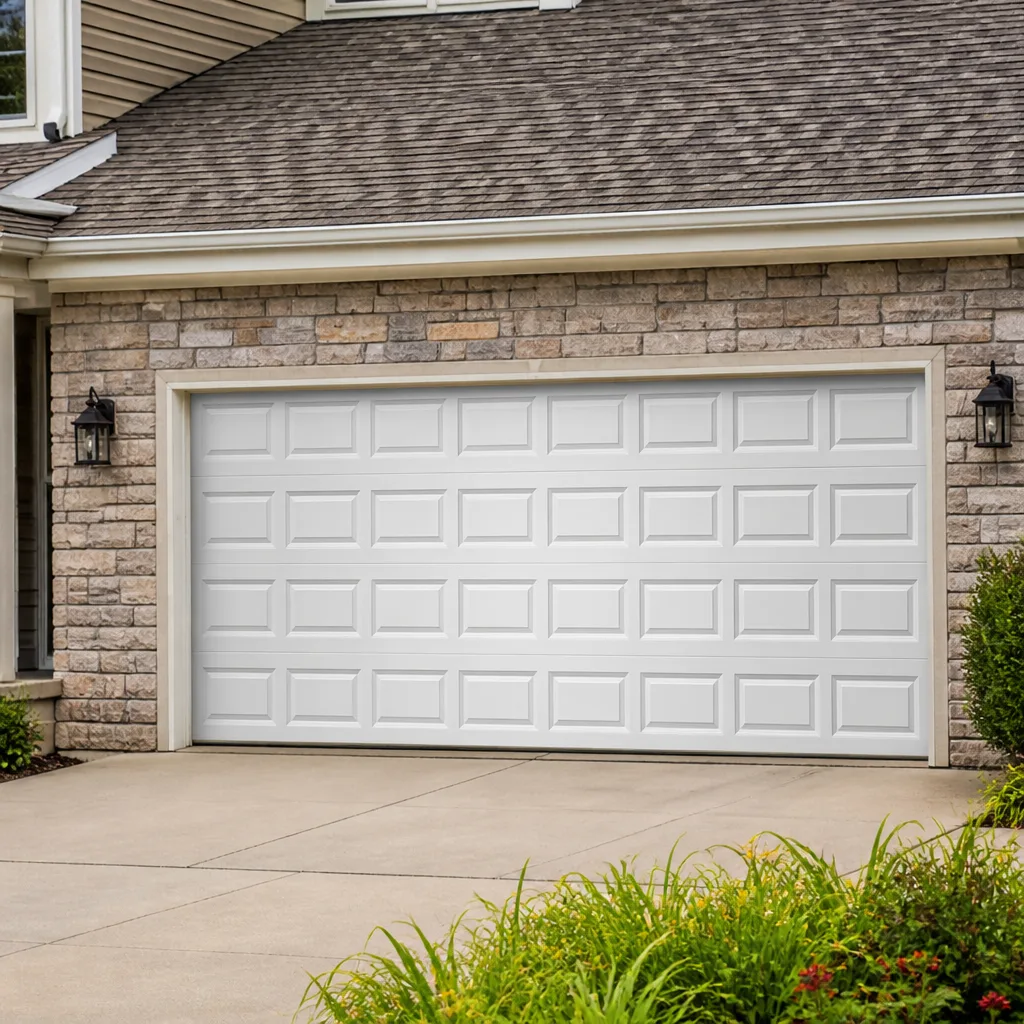 Raised-panel steel
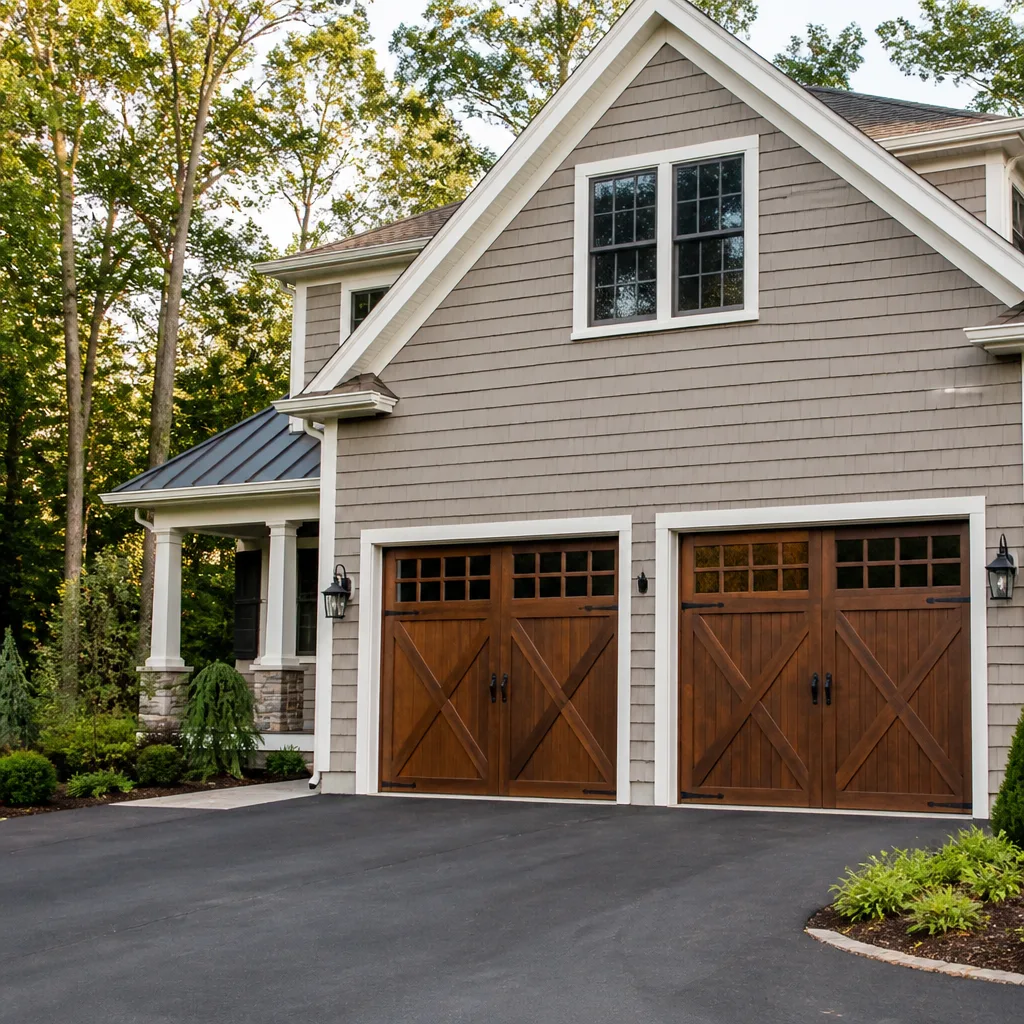 Carriage house
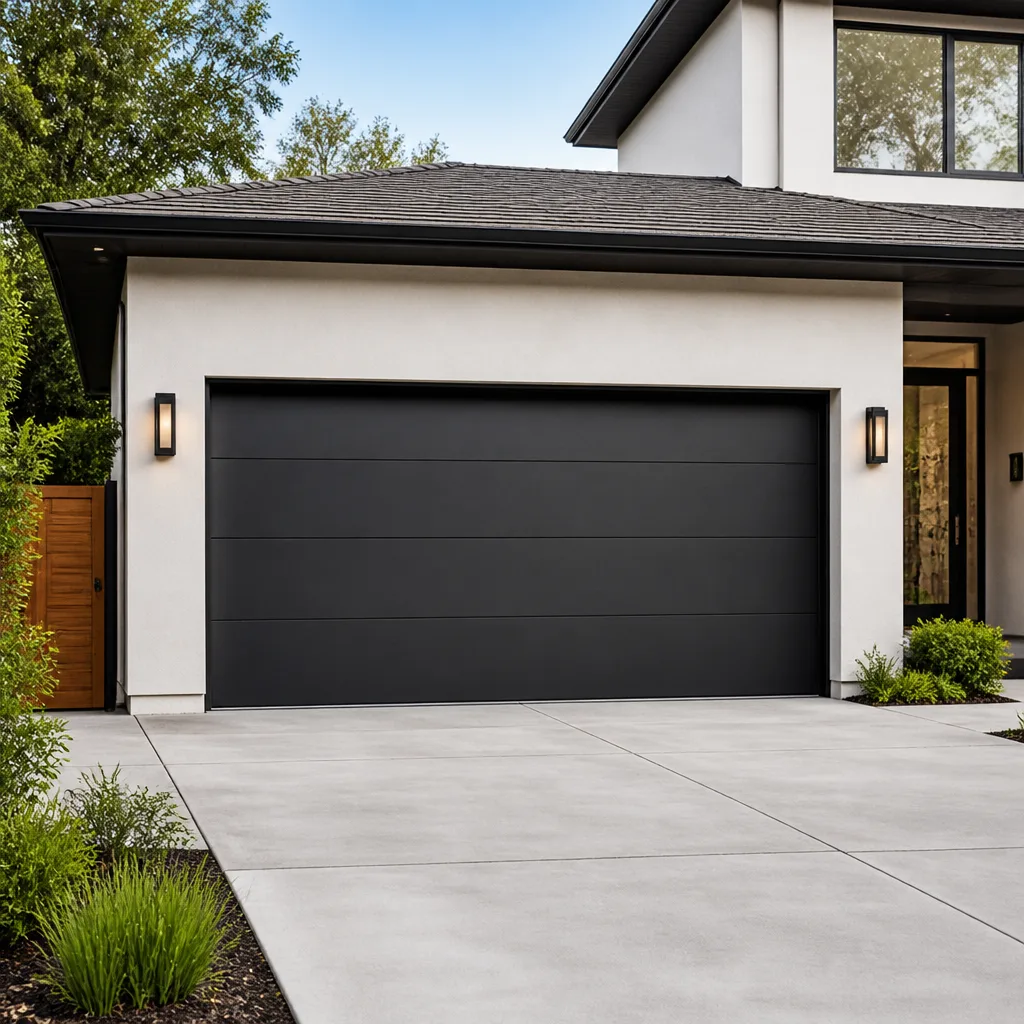 Modern flush
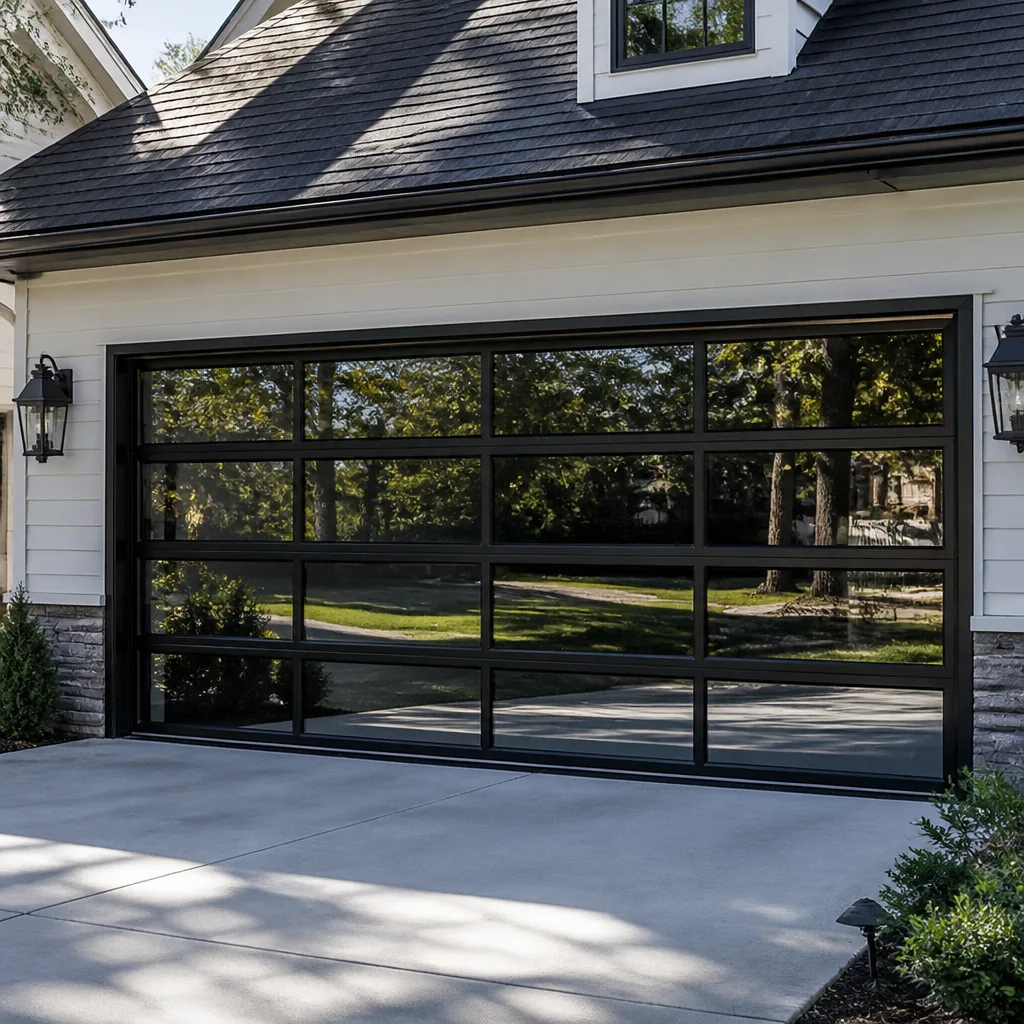 Full-view glass
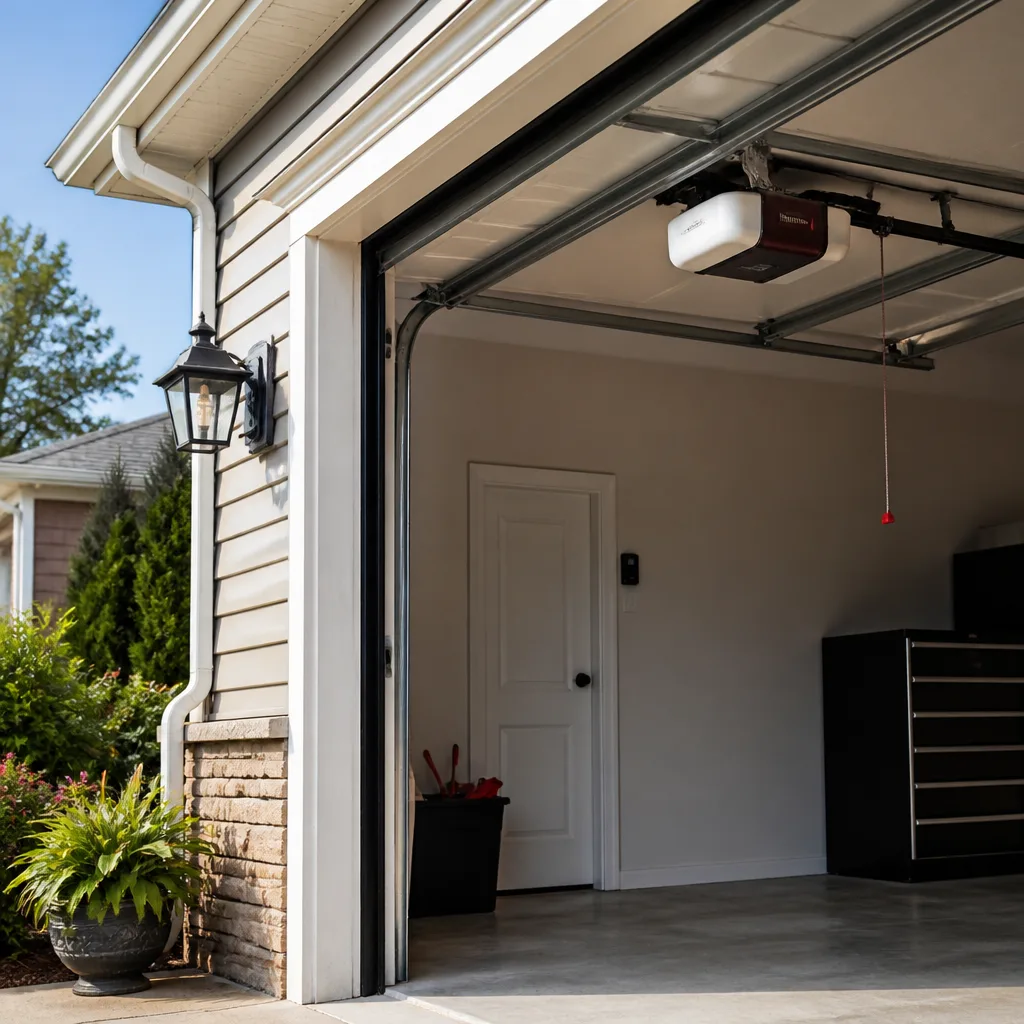 LiftMaster openers
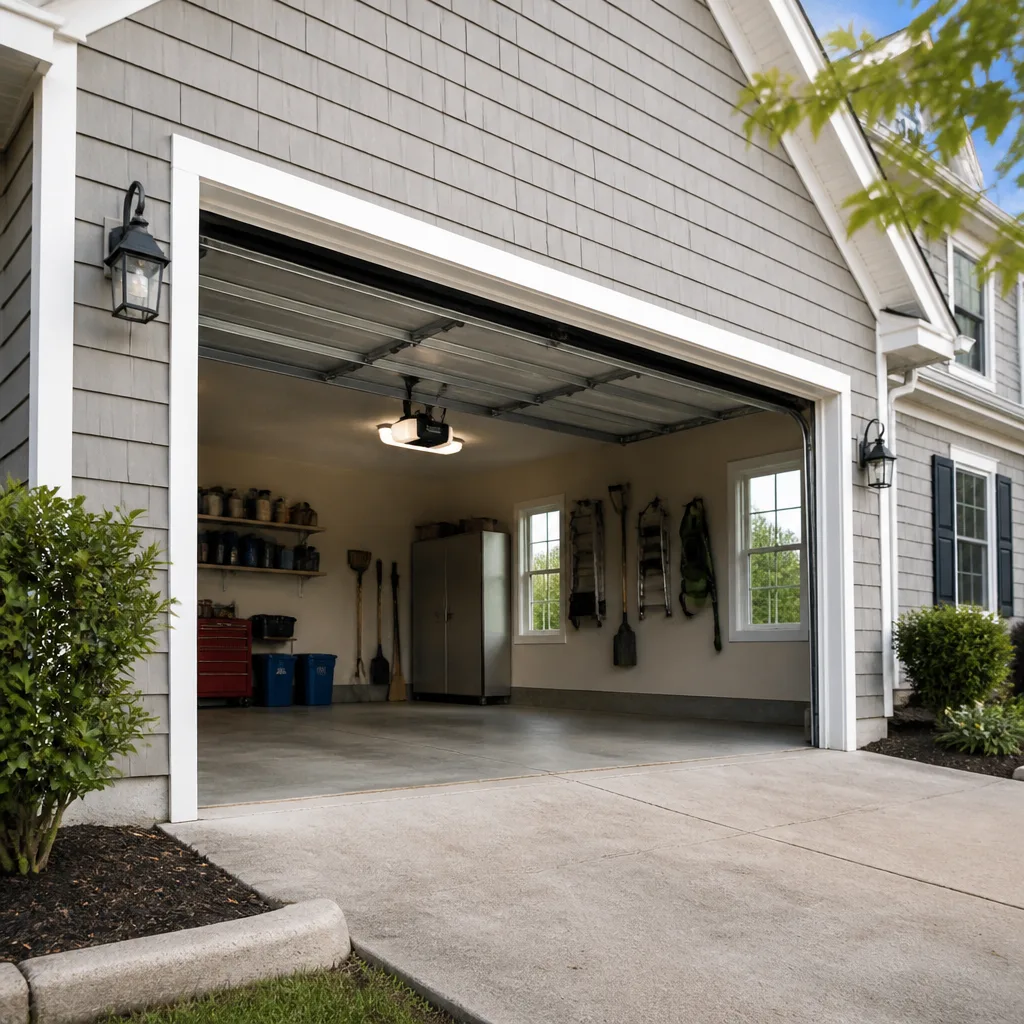 Chamberlain openers
Full 25-point door and opener safety check with every visit - springs, cables, rollers, tracks, and your LiftMaster or Chamberlain opener included
You get a price before we start. It does not change when the pro arrives.
Get your free estimateGarage Door Warning Signs: A Beverly Homeowner’s Reference Guide
Most garage door failures announce themselves weeks before the door quits. The grinding noise that comes and goes isn’t the door breaking in. It’s a roller stem wearing through its nylon housing, and that roller has a limited number of cycles left before it seizes and drags the door off its track. The popping that shows up and then disappears is often a spring losing tension. By the time the door stops mid-track at 7 a.m. on a workday, the warning was usually there. This guide walks through the sounds, the visual clues, and the opener behaviors that tell you what’s failing in a Beverly garage, and it separates the signs that mean stop using the door now from the ones that allow a planned repair in a few days.
Quick Answer
If your garage door grinds, pops, squeals, or clicks, or if it hesitates, reverses without obstruction, or shows an uneven gap at the floor, one or more components are wearing out and the door needs a professional look. A popping or snapping noise with a visibly sagging door means stop using it immediately. Less urgent signs like a slow opener or a light squeak allow a planned repair within a few days. In Beverly’s damp, freezing winters, cold-hardening of springs and lubrication breakdown are the most common reasons these signs appear in the colder months.
Styles & brands we work with
- Raised-panel steel
- Carriage house
- Modern flush
- Full-view glass
- LiftMaster openers
- Chamberlain openers
Table of Contents
- What the Sounds Tell You: Grinding, Popping, Squealing, Clicking
- Visual Warning Signs Most Homeowners Miss
- Opener Behavior Changes That Signal a Problem
- The 10-Second Balance Test
- Signs That Mean Stop Using the Door Now
- Signs That Allow a Planned Repair Window
- Why Brand Matters When You Call for Help
- Seasonal Warning Signs in Beverly
What the Sounds Tell You: Grinding, Popping, Squealing, Clicking
The sounds a failing garage door makes point to specific components. If you can describe the noise accurately, you help a technician diagnose faster. In our experience, homeowners often describe several sounds at once because two or three parts are wearing at the same time. Here’s how each sound maps to a component.
- Grinding: A roller stem wearing through its nylon housing, or a dry torsion tube binding in its bearings. A regular grind that speeds up with the door is usually rollers. A low grind that follows the door’s travel is often the torsion tube.
- Popping or snapping: A torsion spring losing tension or a hinge plate pulling loose. Popping that repeats at the same point in the door’s travel points to a specific spot along the track or a damaged roller.
- Squealing: Metal-on-metal contact where lubrication has worn away, usually at the hinges, rollers, or the torsion tube. Squealing gets worse in cold weather when grease stiffens.
- Rhythmic clicking: A damaged roller, a cracked hinge, or a track joint that no longer sits flush. Clicking that syncs with the door’s movement is a mechanical wear sign, not a motor issue.
LiftMaster and Chamberlain openers, which use a belt or chain rail, sometimes add a motor whine to the mix when the gear assembly is worn. The motor isn’t always the culprit, though. When the door is stiff with worn rollers, the opener works harder and louder than it should, which makes a healthy opener sound like a failing one. That’s why a sound-based diagnosis needs to check the door’s mechanics before anyone orders a new opener.
If you’re hearing any of these sounds, the door hasn’t failed yet, but the parts causing them are on a clock. For a proper diagnosis, our garage door repair service traces every sound back to its component rather than guessing.
Visual Warning Signs Most Homeowners Miss
Not all failing parts announce themselves with sound. Some fail quietly, and the only clues are visual. These are the ones homeowners miss, sometimes for months.
- Uneven gap at the floor: A light gap under one side of the closed door and not the other means the door has settled on its hardware or a spring has weakened. If you can see daylight under one corner, the door isn’t sitting square.
- One side dropping faster: If you watch the door come down and one side reaches the floor before the other, the torsion system or the cables are out of balance. On a two-spring torsion setup, one spring is often carrying more load than the other.
- Rust bleed around bolt heads: Rust that streaks down from a bolt or hinge plate isn’t cosmetic. It usually means moisture is getting into a fastener that’s starting to work loose, which is common in Beverly’s cold, damp winters.
- Cables that look slack or crossed: A cable that’s hanging loose, or a cable that crosses another, is a sign that a drum or a hinge has failed. This is a stop-using-it sign, not a wait-and-see sign.
- Bent or kinked track: Even a small deflection in the vertical or horizontal track can throw the rollers out of alignment and cause the door to bind.
These visual clues tell you something mechanical has changed. Some, like an uneven floor gap, can be corrected before they cause a bigger problem. Others, like a slack cable, are unsafe to leave. When in doubt, a free estimate from our team will tell you which category you’re in.
Opener Behavior Changes That Signal a Problem
The opener is the part of the system that talks to you every time you use it. Small changes in how it responds are worth paying attention to. Here’s a short numbered list of opener behaviors to watch for on LiftMaster, Chamberlain, Genie, and Craftsman systems, which cover most panel doors in Beverly.
- Hesitation on the first command: If the door takes a second or two longer to move than it used to, the opener motor or the capacitor is wearing, or the door itself has gotten stiff.
- Reversing without obstruction: A door that stops and reverses in mid-travel when nothing is in the way is either misreading its safety sensor or meeting resistance from the door’s mechanicals.
- Shortened remote range: When you have to be right at the door for the remote to work, the receiver antenna may be damaged or the remote battery may be weak. Change the battery before you assume the opener is failing.
- Blinking safety lights: Intermittent blinking from the safety sensors usually means the beam is misaligned or a reflector is dirty. If cleaning and realigning the sensors doesn’t fix it, the sensor assembly may need replacing.
- Motor runs but the door doesn’t move: The carriage or the drive gear has failed. This is a mechanical failure inside the opener rail, not a door issue.
Smart-home integrated openers, common on newer LiftMaster and Chamberlain units, sometimes report these behaviors in their app before you notice them. When the opener signals a problem, our garage door opener repair service can diagnose whether the failure is electrical or mechanical before anything is replaced.
The 10-Second Balance Test
You can check whether your springs are still doing their job in about ten seconds. The balance test is simple, safe if done carefully, and tells you more than a visual inspection alone.
Here’s how it works:
- Close the door fully and disconnect the opener by pulling the manual release cord. This puts the door on its springs alone.
- Lift the door partway to about waist height and stop. Do not let go of the door while lifting.
- Hold it there for a few seconds, then let it go gently. Keep your hands clear of the door’s travel and the hinges.
- Watch what it does. A balanced door holds its position or moves only slightly. A door that sinks back down, or that jumps up freely, is out of balance and the springs are not carrying their full share of the load.
A door that fails the balance test has springs that are tired, damaged, or no longer matched to the door’s weight. Don’t try to fix the springs yourself. Torsion springs are under heavy tension and can cause serious injury if handled without the right tools and training. Our garage door spring repair service is a core part of what we do because we’ve seen too many balance-test failures turn into full spring replacements when no one checked sooner.
If your door passes the balance test, it’s still worth running again every few months, and always right after a cold snap in Beverly.
Signs That Mean Stop Using the Door Now
Some warning signs are more than warnings. They’re a stop signal. If you see any of the following, pull the manual release so the door is off its opener and call a professional before you use the door again.
- A visible break or gap in a torsion spring. When a spring is snapping or has already broken, the door may crash down without warning.
- A slack, crossed, or frayed cable. A cable failure can drop the door fast.
- A door that hangs visibly crooked. One side low while the other is high means the door is no longer supported safely on both tracks.
- The door comes off its track. A door that’s jumped the track can jam, come down unevenly, or strike something in the garage.
- Loud popping followed by the door refusing to move. A spring has let go. Do not open or close the door until it’s been looked at.
For a stop-sign failure, an emergency garage door service call is the right move. Our technicians have up to 13 years of experience with spring and track failures, and the local pro who comes out is licensed and insured as their state requires. We answer 24/7. Fast dispatch from 7am to 7pm, Sunday through Friday.
Signs That Allow a Planned Repair Window
Not every warning sign means the door has to come off duty today. Some signs are genuine problems but leave you a few days to get an appointment without much added risk. These are the ones to file under “call this week,” not “call now.”
- A slow opener that still moves the door. If the door reaches full open and full close without reversing or stalling, you can book an appointment within a few days.
- A single squeaking hinge or roller. Squealing at one joint is lubrication and wear, not an imminent failure. Get it on the schedule before it spreads to the whole track.
- A quiet clicking that comes and goes. A roller stem wearing through, like the one that caused the grinding in the first place, is worth a look within the week.
- A slight gap at the floor on one side. If the door still closes fully and the gap isn’t growing, it can wait a few days for adjustment.
- A remote that’s shortening its range. Change the remote battery first. If the range shrinks again, schedule a check.
The line between “wait” and “stop” moves once a door has two or more warning signs. One small sign can wait. Two or three signs at once usually mean the whole system is at a turning point, and that’s when a same-week visit matters.
Why Brand Matters When You Call for Help
Garage doors and openers aren’t universal. Each brand has its own parts, weights, and service points. If you call a general handyman who hasn’t worked on your brand, they’ll spend the first part of the visit figuring out the system, and that time and uncertainty end up on your bill. That’s why we work on 8 of the industry’s most recognized brands:
- Openers: LiftMaster, Chamberlain, Genie, and Craftsman
- Doors: Clopay, Amarr, Wayne Dalton, and Raynor
When we send a technician to a Wayne Dalton door or a Craftsman opener, they’re already familiar with how that system is built before they arrive. That matters most on spring and opener failures, where the difference between the right part and a close-enough part can mean the difference between a fix and a repeat visit. If your home has a Clopay or Amarr panel door, we know its weight and balance points. If it’s a Raynor or LiftMaster opener, we know its rail and gear setup. Your door, your brand, our specialty.
Our full installation service covers new doors across the brands we work with, so if a failure ends up being a case for replacement rather than repair, nothing has to change hands. If a repair turns into a door replacement, the same company handles it.
Seasonal Warning Signs in Beverly
Garage door warning signs aren’t spread evenly across the year. In Beverly, the freeze-thaw cycles from late fall through early spring speed up the wear on the parts that fail most often, and the signs cluster in the colder months.
- Cold-hardened springs: Torsion springs lose tension faster in freezing temperatures. A spring that was fine in October may show balance-test problems by December.
- Stiff grease: Lubricant on hinges, rollers, and the torsion tube thickens in winter, so a door that was quiet in summer may grind in January.
- Expanding and contracting tracks: Repeated freeze-thaw cycles can shift track segments out of alignment, so a door that tracked true may start to bind at the joints.
- Damp hardware: Coastal New England damp that works into a hinge or bolt head is often the first sign before rust streaks appear.
Here’s what we tell Beverly homeowners about timing: do a balance test and a visual walk-around in early fall, before the first hard freeze. Repeat the visual check in early spring, when freeze-thaw damage shows up. If you spot a cold-month warning sign, get it on the schedule before it becomes a stop signal.
Common Mistakes to Avoid
The way homeowners respond to warning signs often determines whether the fix is a small repair or a full replacement. Here’s what we see most often.
- Ignoring the noise because it comes and goes. A grinding roller that only grinds on the way down is still wearing through. Waiting for it to become constant usually means the roller seizes and takes the track with it.
- Greasing the tracks. Tracks are not meant to be lubricated. Grease on the track collects grit and makes rollers slide instead of roll, which speeds up wear. Grease goes on hinges, rollers, and the torsion tube, not the track.
- Skipping the balance test. A door that’s out of balance works the opener harder than it needs to, and the opener often takes the blame for a spring problem. Check balance before ordering an opener.
- Running the door after a spring snap. A broken spring means the door is no longer supported safely. Running the opener against a broken spring can damage the opener motor and drop the door.
- Assuming a clicking roller can wait until spring. In Beverly’s cold months, a worn roller on a stiff door fails faster than it would in summer.
- Calling a generalist for a brand-specific problem. A Craftsman opener and a LiftMaster opener don’t share the same internals. A handyman spends the visit learning yours and sometimes guesses.
- Not asking for a written estimate up front. A quote on a warning-sign repair should be agreed before any work starts. That applies to a spring replacement and to a new door alike.
See the difference
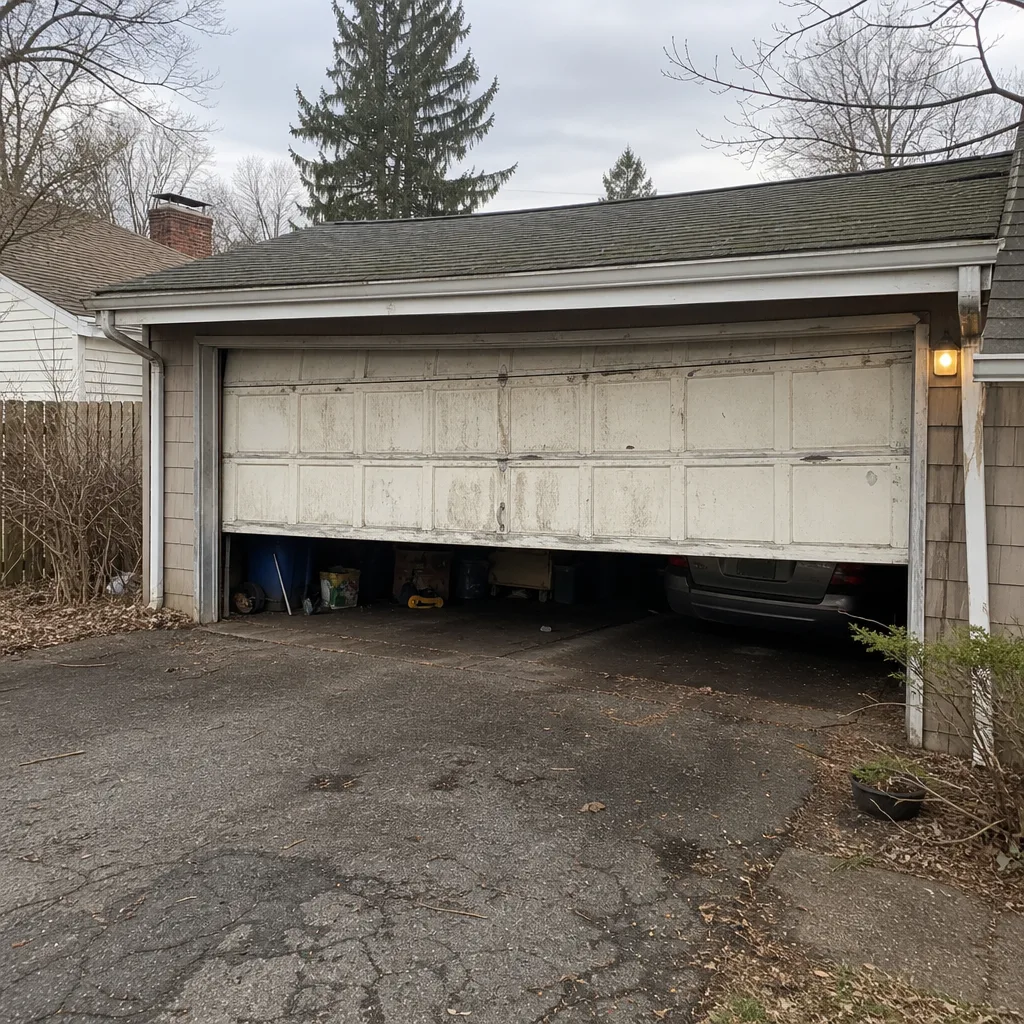 Before
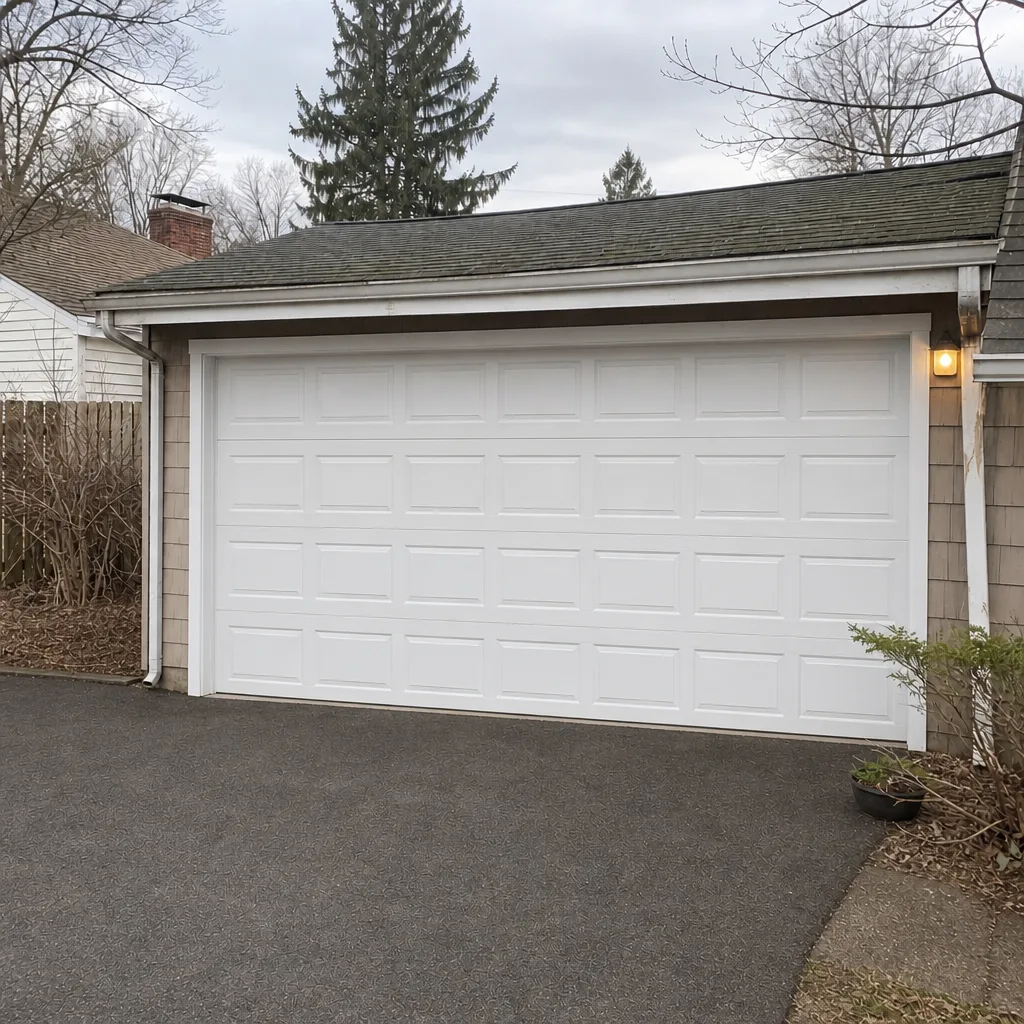 After
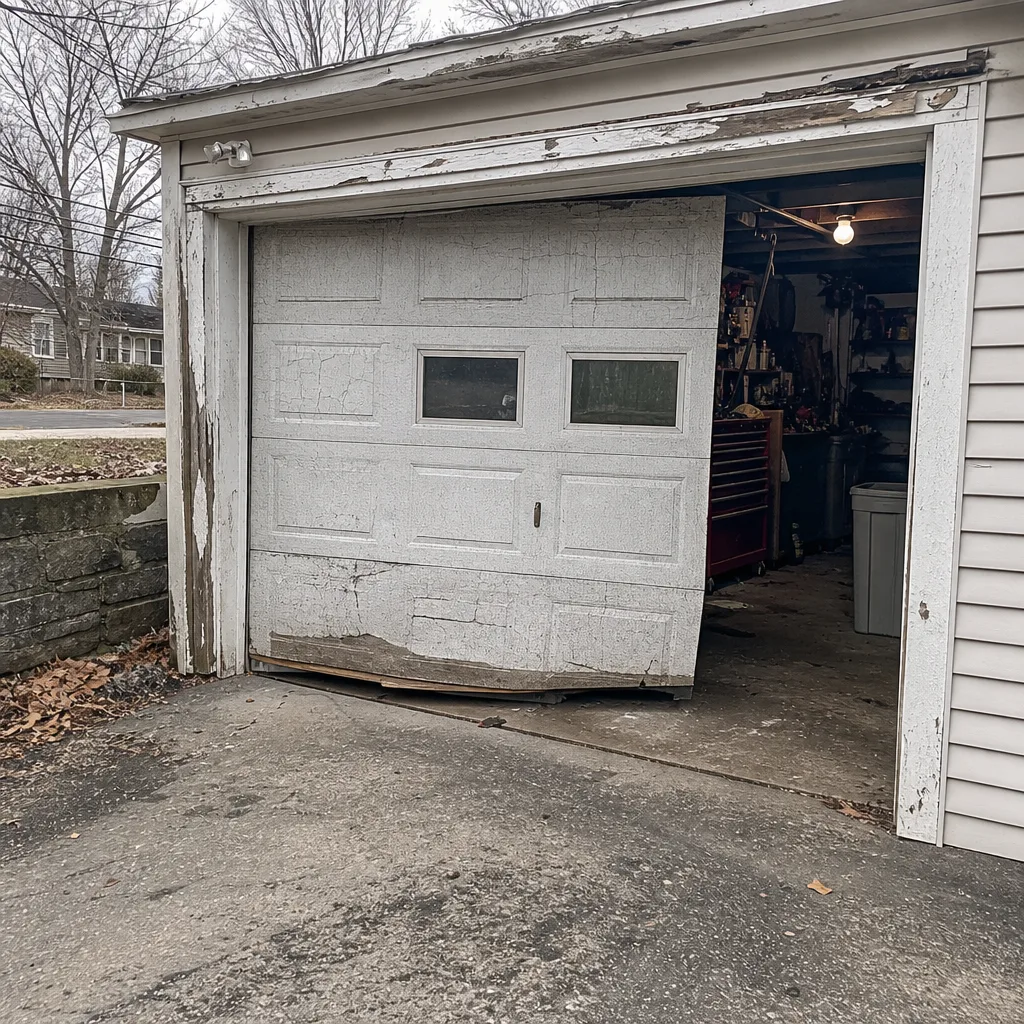 Before
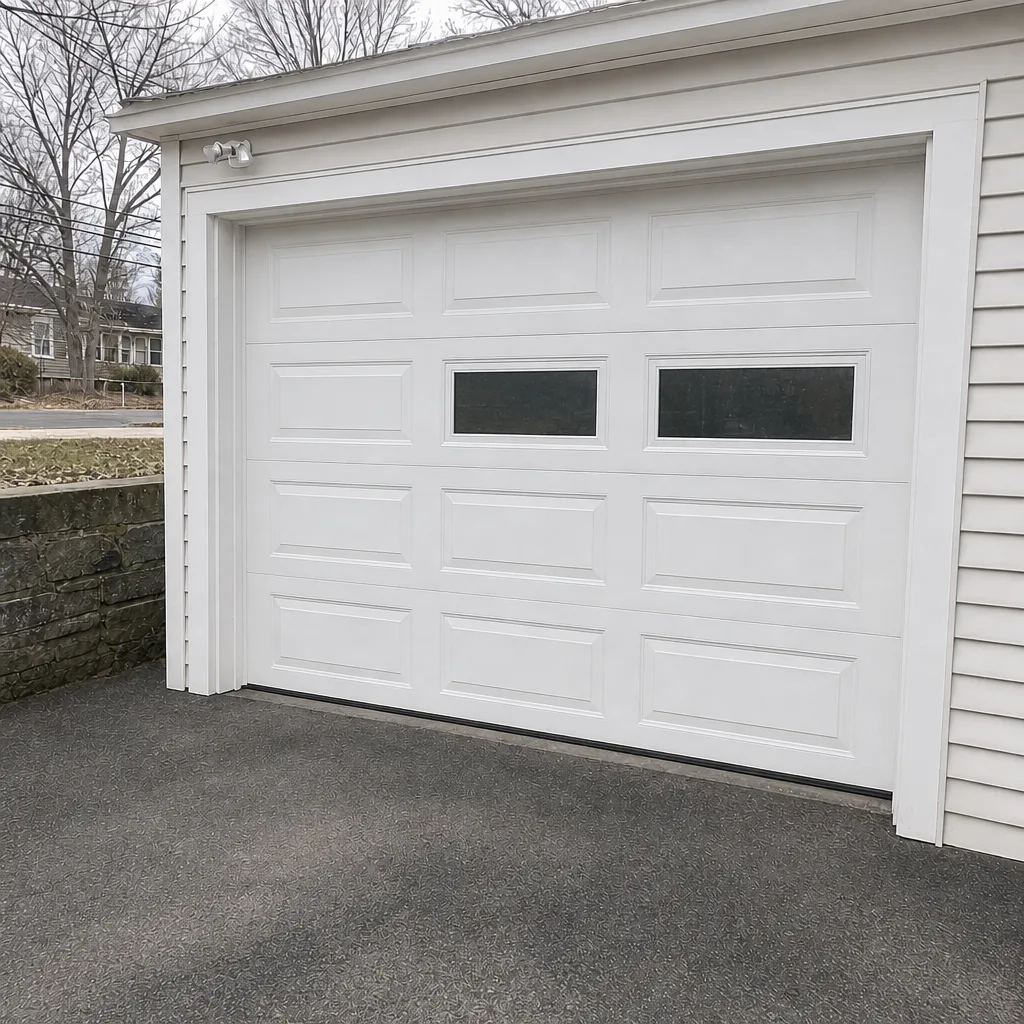 After
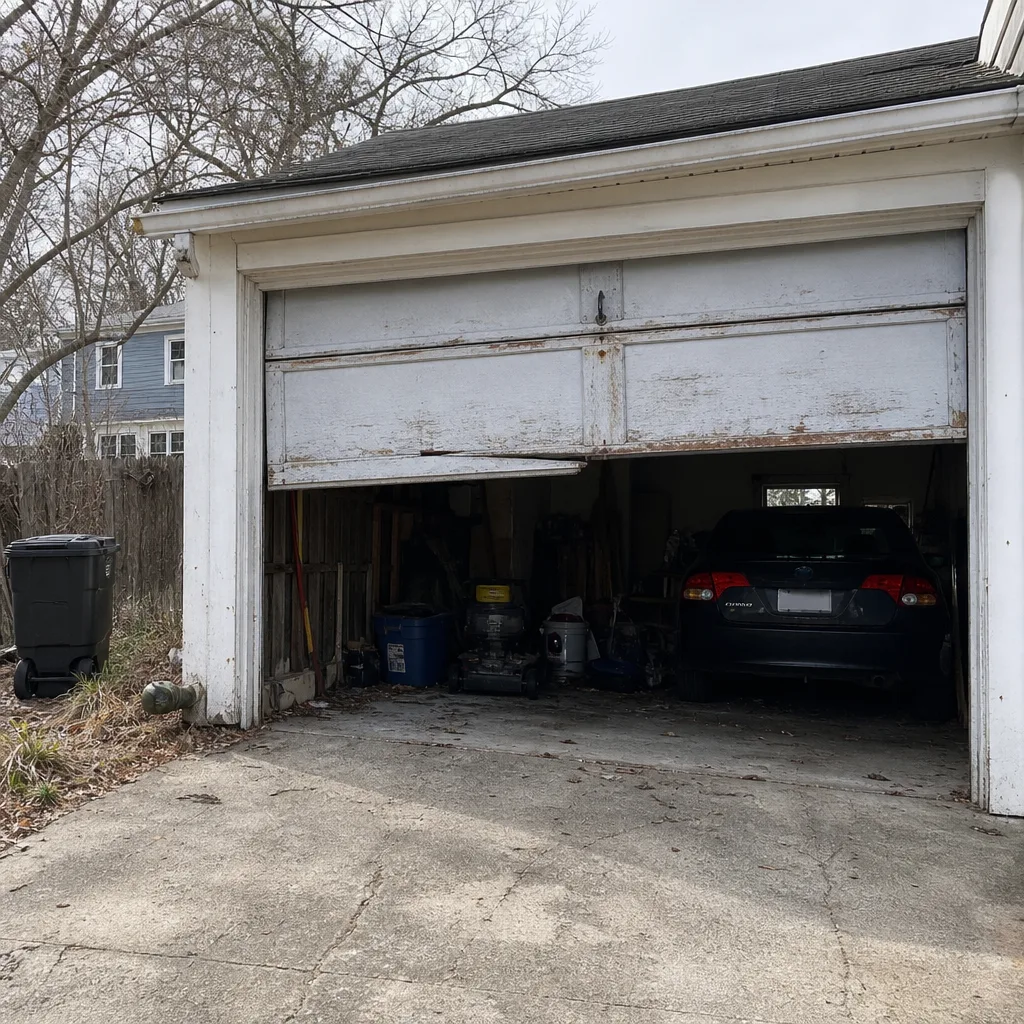 Before
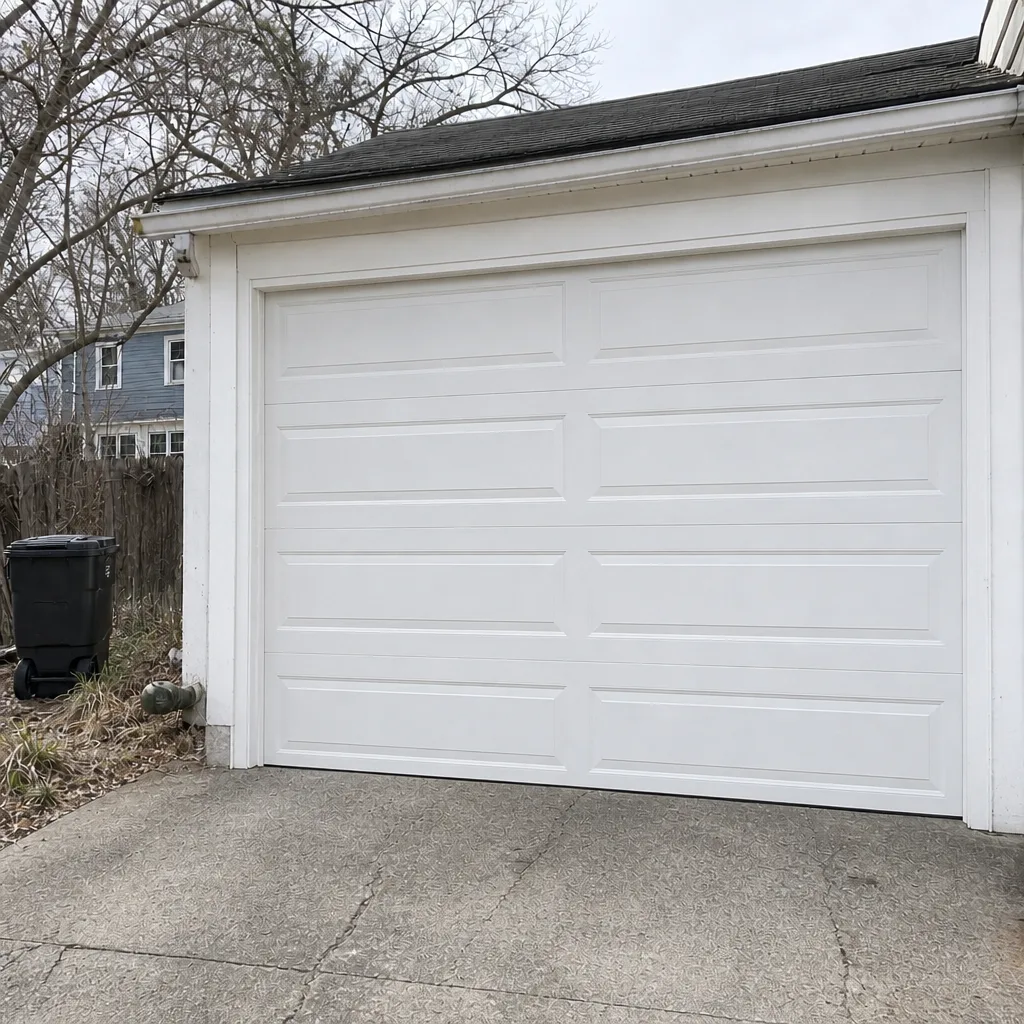 After
When to Call a Professional
The warning signs that need a professional visit fall into three groups. Spring failures, even ones caught early in the balance test, need a trained technician because the parts are under tension. Off-track doors, slack cables, and any door that hangs crooked and moves unexpectedly are the same. And an opener that hesitates on the first command or reverses without obstruction is worth a diagnostic before the motor fails outright.
Beverly Garage Door Repair Co offers free estimates in Beverly – call (833) 421-1727. We answer 24/7. Fast dispatch from 7am to 7pm, Sunday through Friday. The price is quoted and agreed before any work starts, so the written estimate sets the final price.
Frequently Asked Questions
Intermittent grinding usually points to a roller stem wearing through its nylon housing, or a torsion tube that binds only when the door is at a specific part of its travel. It is a warning sign, not a failure, and it should get a professional look within the week. Call (833) 421-1727 for an exact quote – estimates are free.
Running the 10-second balance test tells you whether the springs are carrying the door’s weight. If the door sinks or jumps when released, the springs are the problem, even if the opener is the part that failed to lift it. If the door balances correctly but the opener still stalls, the opener is the suspect. Either way, call (833) 421-1727 for an exact quote – estimates are free.
Yes. We offer same-day and emergency service in Beverly, and a call during dispatch hours is the fastest route. For a door that is hanging crooked, off its track, or showing a slack cable, pull the manual release first so the door is off the opener. Call (833) 421-1727. We answer 24/7. Fast dispatch from 7am to 7pm, Sunday through Friday.
The written estimate sets the final price once the problem is diagnosed and you approve it, and the price is agreed before any work starts. If our technician finds an additional problem mid-repair, you’ll get the news and a new quote before that work begins. Call (833) 421-1727 for an exact quote – estimates are free.
The local professional we connect you with is licensed and insured as their state requires, and our technicians have up to 13 years of experience. We work on LiftMaster, Chamberlain, Genie, Craftsman, Clopay, Amarr, Wayne Dalton, and Raynor, so the technician already knows your system. Call (833) 421-1727 for an exact quote – estimates are free.
A repeatable click is a mechanical wear sign, usually a damaged roller, a cracked hinge, or a track joint that’s no longer flush. It is not a stop-sign failure, but it does mean a planned repair within a few days. If the clicking pairs with a popping sound or a door that hangs crooked, treat it as urgent. Call (833) 421-1727 for an exact quote – estimates are free.
The Bottom Line
Garage door failures almost always have a warning period, and the signs are easy to rationalize away until the door stops. Grinding, popping, squealing, and clicking each point to specific components. An uneven floor gap, one side dropping first, and rust around bolt heads are clues the door is out of balance or a fastener is working loose. Opener hesitation, reversing, and shortened remote range tell you the system is struggling. Run the 10-second balance test a few times a year, and know which signs mean stop and which allow a few days. When a sign shows up in your Beverly home, get a diagnosis before the door fails. Call (833) 421-1727 for a free estimate.
Written by the team at Beverly Garage Door Repair Co.