
Last updated November 23, 2026
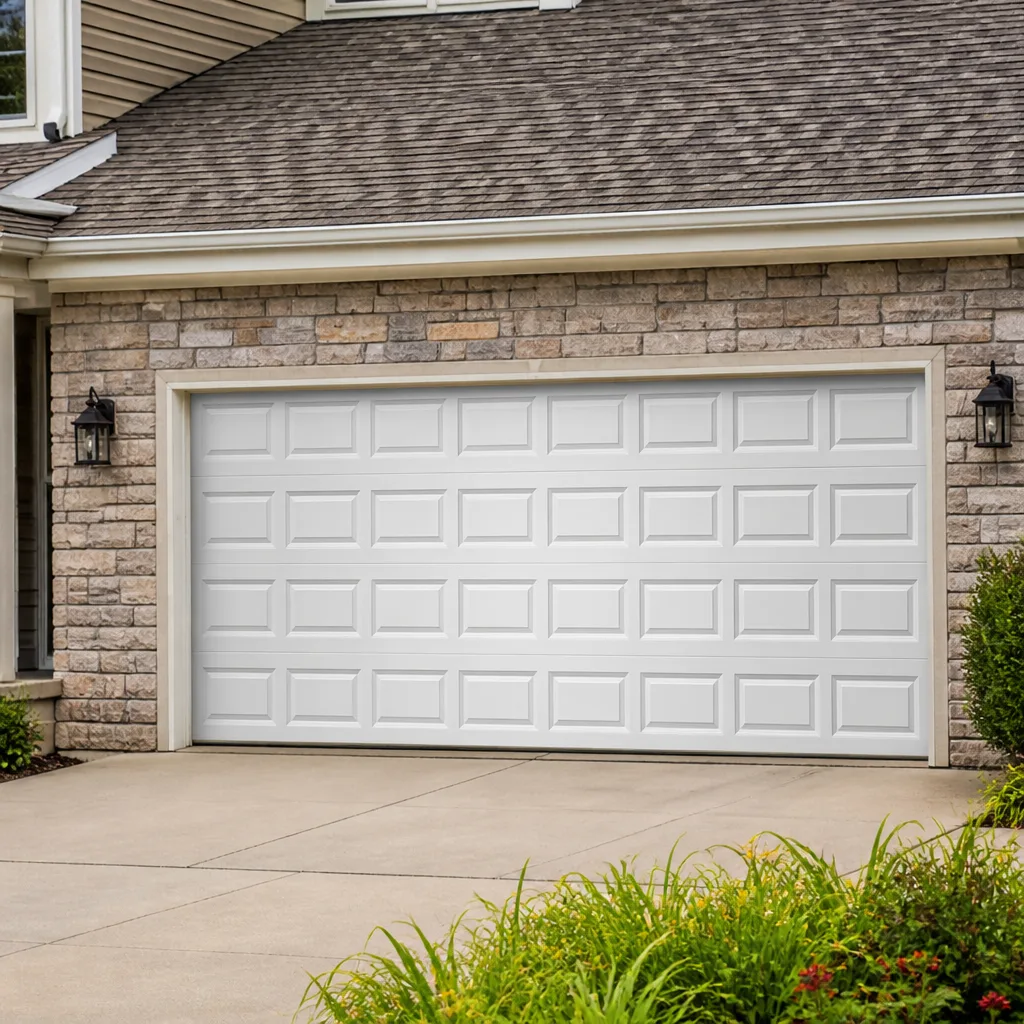 Raised-panel steel
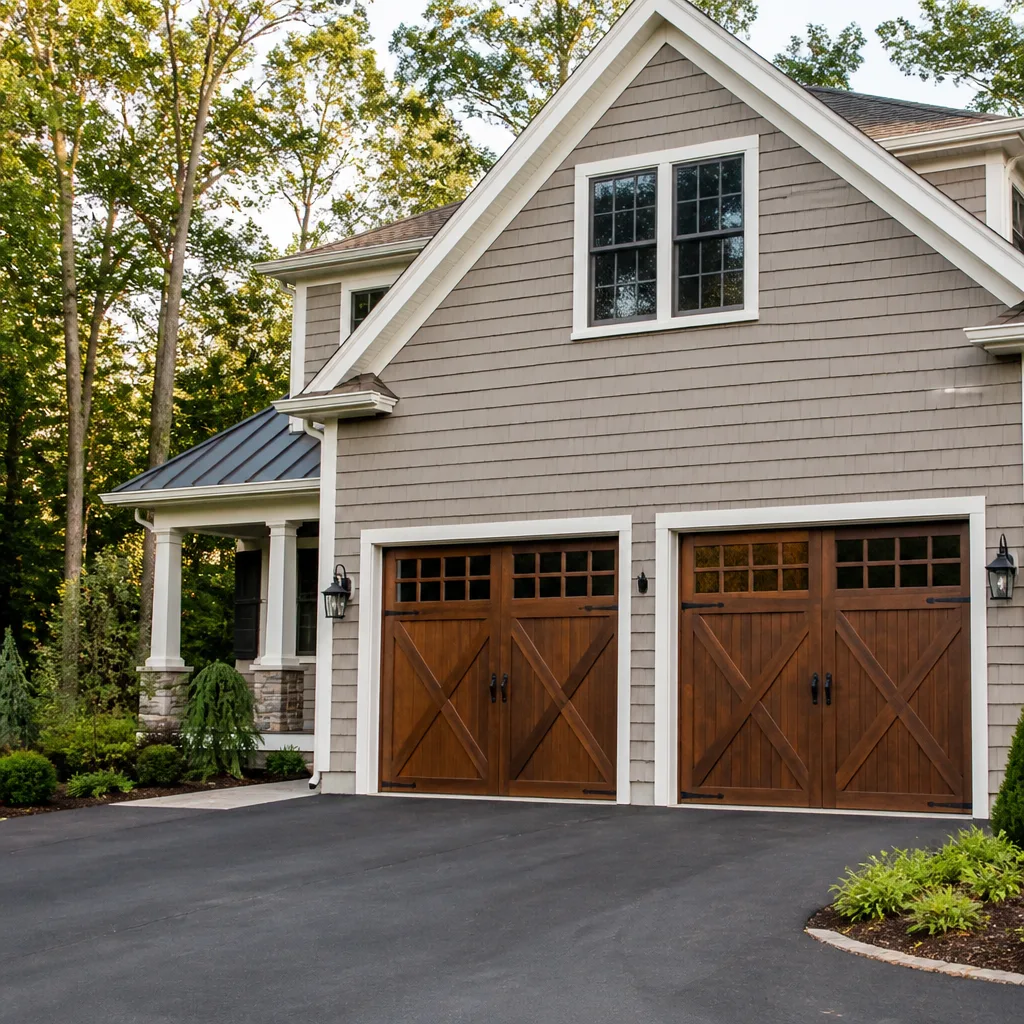 Carriage house
 Modern flush
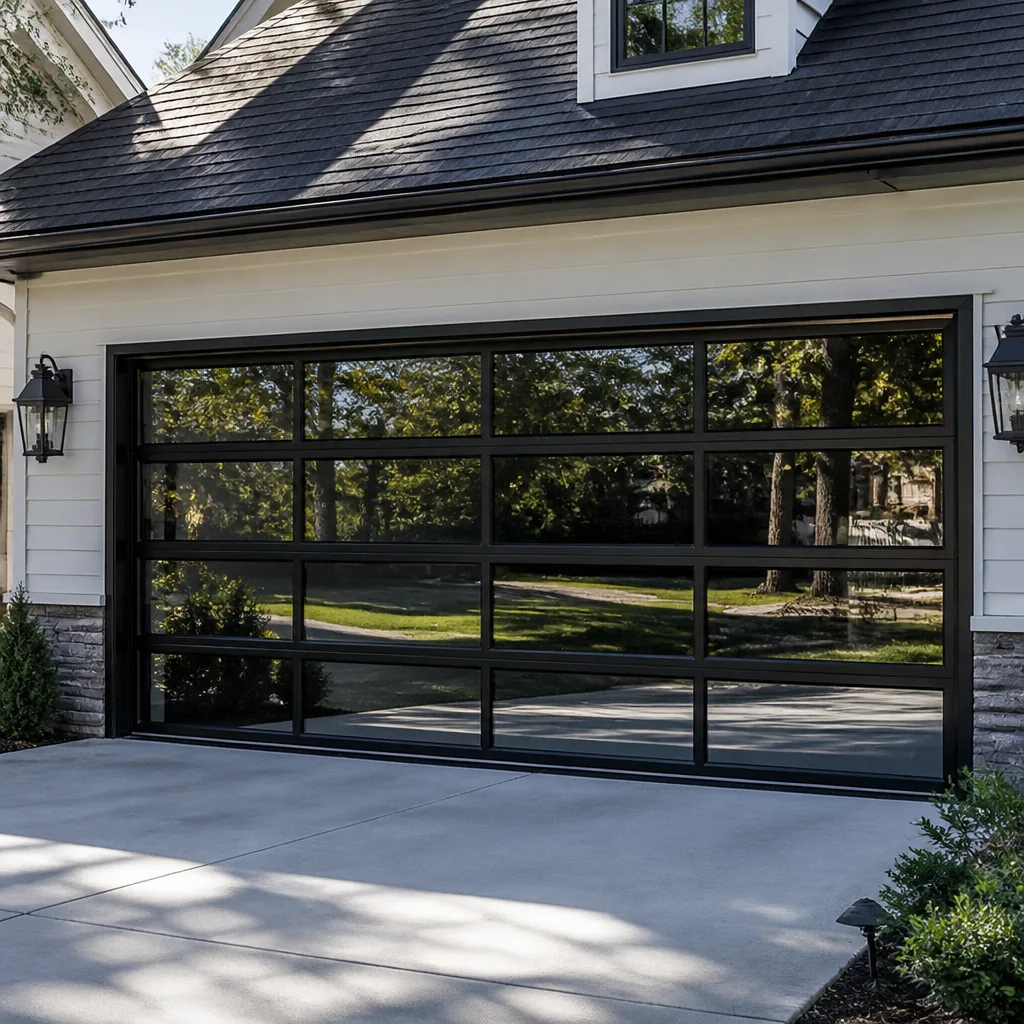 Full-view glass
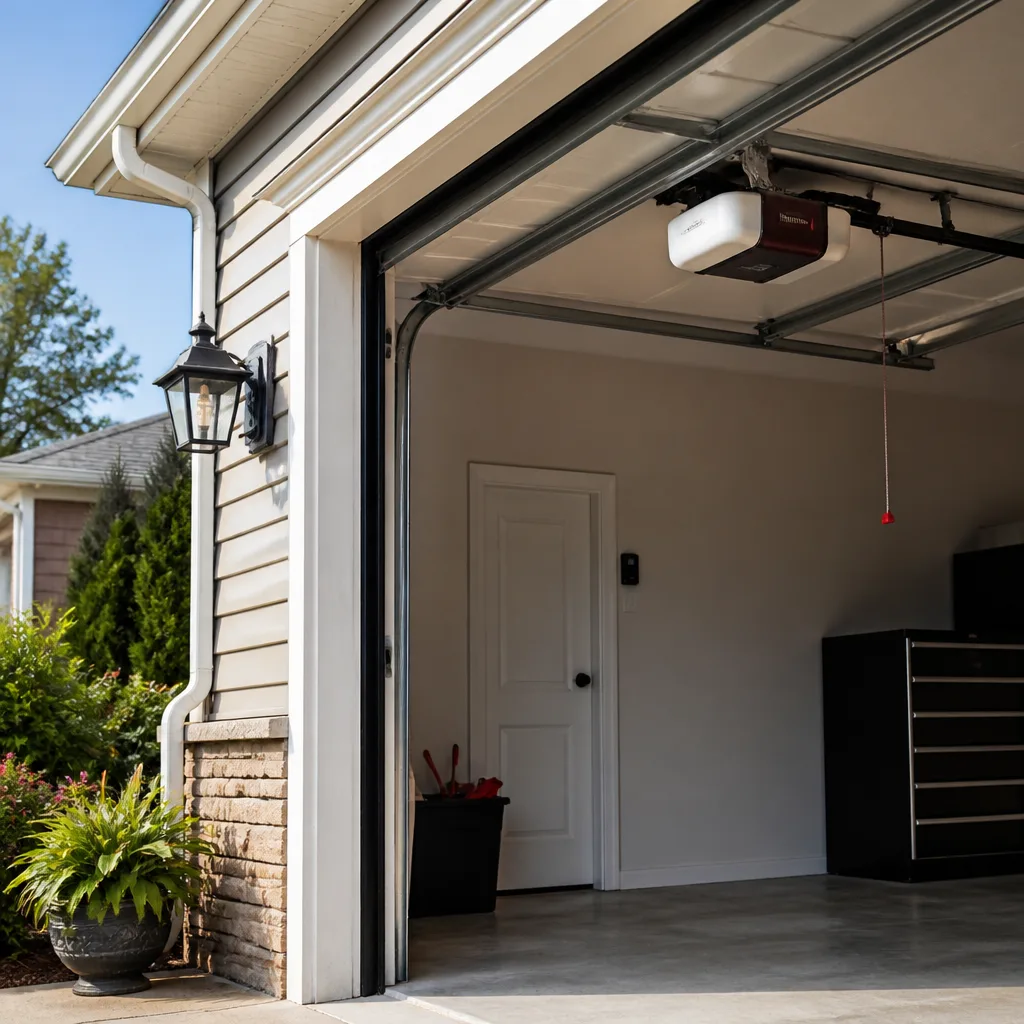 LiftMaster openers
 Chamberlain openers
Full 25-point door and opener safety check with every visit - springs, cables, rollers, tracks, and your LiftMaster or Chamberlain opener included
You get a price before we start. It does not change when the pro arrives.
Get your free estimateGarage Door Permits, Codes & Inspections in Beverly, MA: What You Need to Know
Here’s the part that surprises most homeowners: repairing a garage door almost never needs a permit, but replacing one usually does. That gap between repair and replacement is where trouble hides. A Beverly homeowner can swap a door, feel good about the finished job, then discover years later during a home sale that the work should have been inspected. Buyers’ attorneys ask for permit records, and a missing one can stall a closing while everyone waits on a retroactive inspection. In this guide we’ll walk through when Massachusetts requires a permit for garage door work, how the City of Beverly building process actually runs, what inspectors look at, and how to check whether prior work on your home was permitted before you list it.
Quick Answer
In Beverly, MA, replacing a garage door generally requires a building permit, while repairing springs, cables, rollers, tracks, or the opener generally does not. The Massachusetts State Building Code (780 CMR) governs the work, and the City of Beverly’s building department issues and inspects the permit. Exact requirements depend on the scope of the job, so confirm with the building department before any replacement is ordered.
Styles & brands we work with
- Raised-panel steel
- Carriage house
- Modern flush
- Full-view glass
- LiftMaster openers
- Chamberlain openers
Table of Contents
- Repair vs. Replacement vs. Opener Swap: What Actually Needs a Permit
- How the Beverly Building Department Process Works
- How 780 CMR Applies to Garage Doors
- What Happens During a Garage Door Inspection
- How to Check Whether Prior Work Was Permitted
- The Contractor’s Role and What to Ask Before You Hire
- Common Mistakes to Avoid
- Frequently Asked Questions
Repair vs. Replacement vs. Opener Swap: What Actually Needs a Permit
The single most useful distinction in this whole topic is the line between repair and replacement. Most garage door work that homeowners actually call for is repair, and repair is generally exempt from permitting. When a spring snaps on a cold morning in Beverly, or an opener dies, or the door comes off its track, that’s repair work. You can schedule it, get it done, and move on without involving the city.
Replacement is a different animal. When you remove the old door and hang a new one, you’re altering the building envelope and the opening that door sits in. That’s where the permit question kicks in for most Beverly properties, particularly when the new door differs from the old one in weight, size, or configuration.
Where each type of job lands:
- Spring replacement: Repair, generally no permit. This is one of the highest-risk jobs on a garage door, and it’s exactly the kind of work that should go to a specialist. See garage door spring repair for what that involves.
- Cable, roller, track, or hinge repair: Repair, generally no permit.
- Opener replacement (same type and same wiring): Usually treated as a swap, not a structural change. Check with the building department if the wiring changes or a new circuit is added.
- Opener replacement that adds a new electrical circuit: The electrical work itself may need a permit under a separate electrical permit.
- Full door replacement: Generally requires a building permit.
- Converting a non-operating opening into an operating garage door: Typically a structural change requiring a permit and possibly a design professional’s input.
If you’re not sure which category your job falls into, that’s a normal place to be. A general repair call is easy to figure out. A replacement is worth one phone call to the city before anything is ordered. In our experience, that call is the single most valuable five minutes in the whole process. It’s also why we ask homeowners to confirm the scope before we place an order, whether the door is a Clopay or an Amarr system. Getting the classification right on the front end prevents an awkward conversation at closing.
How the Beverly Building Department Process Works
Beverly’s building department handles permits for work done within the city. The exact fees, forms, and review timelines shift, so the correct move is to call or check the city’s website directly before you file. What doesn’t shift is the general shape of how a garage door replacement permit runs from start to finish.
Here’s the typical sequence for a Beverly garage door replacement:
- Confirm the scope with the building department. Describe what’s being replaced. A full door, a door plus tracks and hardware, and an opener swap are different things.
- Pull the permit before the work starts. In almost every jurisdiction, permits are issued before work begins, not after. A contractor who offers to “take care of the paperwork later” is telling you something.
- Submit the application with the required documentation. Expect a description of the work, the property address, the contractor’s information, and often a product specification. For a garage door, that usually means the door model, size, weight, and wind-load rating from the manufacturer.
- Pay the permit fee. Fees are set by the city and depend on the valuation of the work. Ask the building department for the current schedule.
- Complete the installation. Once the permit is issued, the work can proceed.
- Schedule the inspection. The inspector verifies the installation against what was permitted and reviews the safety features.
- Close out the permit. This is the step everyone forgets. An open permit on record can be just as problematic at a home sale as a missing one.
Turnaround times for both the permit and the inspection vary with the department’s workload and the season. Spring and early summer are typically busier. The practical advice is to start the permit conversation at the same time you start shopping for the door, not the week the door is scheduled to arrive. A new door lead time runs weeks even on the best days, so the permit paperwork can run in parallel with the order. Planning them together is how Beverly replacements stay on schedule.
How 780 CMR Applies to Garage Doors
The Massachusetts State Building Code, known as 780 CMR, is the governing document for construction work in the state. It’s adopted from a model code with Massachusetts amendments, and it’s the standard the Beverly building department applies when reviewing a garage door replacement. Two parts of that code come up again and again for garage doors.
Wind load
Garage doors are large, flat surfaces mounted on the exterior wall of a building. A door that isn’t rated and installed for the wind pressures at that location is a genuine structural concern. Most new doors sold in Massachusetts carry a wind-load rating, and a permit application may ask for it. For a Beverly homeowner, this is why a replacement door isn’t quite interchangeable with whatever model is on sale. The door needs to match the opening and the rating that the code expects for that location. A licensed installer orders according to what’s specified and won’t substitute a cheaper door with a lower rating without a conversation.
Fire-rated walls and attached garages
Attached garages have a fire separation requirement between the garage and the living space. That separation is usually a wall assembly plus a fire-rated door between the garage and the house. When a garage door replacement happens, the inspector is looking at the whole assembly, not just the overhead door. The door between the garage and the house, the walls, and any penetrations in those walls all participate in the fire separation. A garage door replacement doesn’t change that separation on its own, but if the scope also touches the wall assembly, the code requirements apply.
The code details are the building department’s territory, not something we guess at on a homeowner’s behalf. What we do is make sure the door we specify matches the size, rating, and configuration of the opening, and that the paperwork we supply is what the inspector will ask for. Those two things together are what keep a Beverly installation moving through review.
What Happens During a Garage Door Inspection
An inspection is a physical verification, usually brief, that the installed work matches the permit and that the safety features work. The inspector isn’t there to grade the aesthetics. They’re there to confirm the door is properly installed, that the assembly is rated for the opening, and that the safety systems function.
What inspectors typically look at:
- The installed door matches the permit. Make, model, size, and rating all line up with the paperwork.
- Attachment and mounting. The tracks, brackets, and header connection are secured to solid structure, not just drywall.
- Balance and travel. The door opens and closes smoothly without binding. A door that’s out of balance isn’t “installed” in any meaningful sense.
- Photo-eye safety sensors. The reversing sensors at the bottom of the opening interrupt the door when blocked.
- Automatic reverse on contact. The door reverses when it meets resistance on closing.
- Manual release. The emergency disconnect works, so the door can be opened by hand during a power outage or emergency.
- Weather sealing and fire separation at the perimeter. Where relevant, the gap between the garage and the living space is intact.
Inspectors can and do fail installations over safety sensors that aren’t working, contact reversal that isn’t set, or an installed door that doesn’t match the permit. When we install a door in Beverly, we run those same checks before we call the job complete, because a failed inspection costs the homeowner another appointment and another wait. If you have questions about the safety equipment on an existing door, or want it checked, that’s a repair topic, and it’s covered under garage door repair. For opener-specific issues, including photo-eye faults and travel-limit problems, the right starting point is garage door opener repair.
How to Check Whether Prior Work Was Permitted
Before you list a Beverly property, it’s worth confirming that any past garage door replacement was permitted and closed out. There’s a simple reason: a buyer’s attorney will run a permit search, and if the search turns up an open or missing permit, the closing can be delayed while it’s sorted. Doing that search yourself, well before a listing goes live, gives you time to fix it on your schedule rather than the buyer’s.
A step-by-step way to check:
- Call the City of Beverly building department. Ask for a permit history on your address. Most departments can pull the record for you in a short phone call or over the counter.
- Match each permit to a completed project. Look for any permit that was issued but never given a final inspection, or any substantial exterior work that has no permit at all.
- Take photos of the installed door as it sits today. If there’s no paperwork, the installed door itself is the evidence of what was done.
- If a garage door replacement was done without a permit, talk to the building department. Ask what they require to bring the work into compliance. That’s usually a retroactive permit and an inspection. It’s not the end of the world. It’s a process.
- If there’s a missing or non-compliant feature on the door, get it corrected before scheduling. Sensors, reversing, and manual release are the usual items inspectors flag. Fix them in advance.
- Keep all records with the property documents. Permit paperwork filed alongside your deed and inspection records is easy to produce at closing when someone asks.
What if the prior work was done without a permit and something about the installed door isn’t right? That’s a far more common scenario than you’d think, and it’s a repair-first situation. The door needs a real technical look, not a paperwork fix. Call (833) 421-1727 for a free estimate. We answer 24/7. Fast dispatch from 7am to 7pm, Sunday through Friday.
The Contractor’s Role and What to Ask Before You Hire
A garage door replacement involves two parallel processes that have to line up: the product order and the permit. A contractor who understands both keeps the schedule whole. A contractor who only handles the install can leave the homeowner holding the permit paperwork, and that’s how delays creep in.
Questions worth asking any garage door contractor in Beverly:
- Who pulls the permit for a door replacement, and is it included in the written estimate?
- Will the new door’s wind-load rating and spec sheet be submitted with the application?
- Who schedules the final inspection, and who is present for it?
- Does the written estimate cover removal of the old door, disposal, and hardware?
- What brand of door is being specified, and is it a manufacturer the contractor works with regularly?
Brand familiarity matters more than homeowners expect. A door from Clopay, Amarr, or Wayne Dalton each has its own hardware, track profile, and installation requirements, and a technician who works across those brands doesn’t have to feel their way through a first install. Our teams service eight major garage door and opener brands, which means whichever name is on your existing door, the specifics aren’t new territory. If you’re at the replacement stage, the question of which door, which rating, and which installer is worth an unhurried conversation. The free estimate is the natural place to have it.
One more thing worth saying plainly: get the price in writing and get it agreed before any work starts. A garage door replacement involves an order, a permit, and a scheduled install, and the number on the written estimate is the number you should expect. If a contractor is vague about whether the permit is included, that’s a gap to close in writing before you sign.
Common Mistakes to Avoid
- Assuming repair needs a permit. A snapped spring or a dead opener is repair, and repair generally doesn’t need a permit in Beverly. Spending a week chasing paperwork for a spring is time lost, not diligence.
- Assuming replacement doesn’t. The opposite mistake, and the more expensive one. A full door replacement usually needs a permit, and skipping it can complicate a home sale down the line.
- Letting the contractor handle the permit without checking that it was actually closed out. A permit issued but never inspected is an open issue on record, even if the install is beautiful. Ask for the final inspection confirmation and keep it.
- Ordering the door before confirming the permit scope. The door’s rating, size, and specification are part of the permit application. Getting the door first and the paperwork second is backwards.
- Treating a safety-sensor failure as cosmetic. The photo-eye sensors are a permit item and a genuine safety issue. A door that doesn’t reverse on contact is a hazard, not an annoyance.
- Ignoring the fire separation on an attached garage. Beverly homes with attached garages have a code requirement between the garage and the living space. If a replacement project also touches that wall, it’s part of the scope.
- Doing the permit search the week of the closing. Confirm permit history before the listing goes live, not after the buyer’s attorney finds the gap.
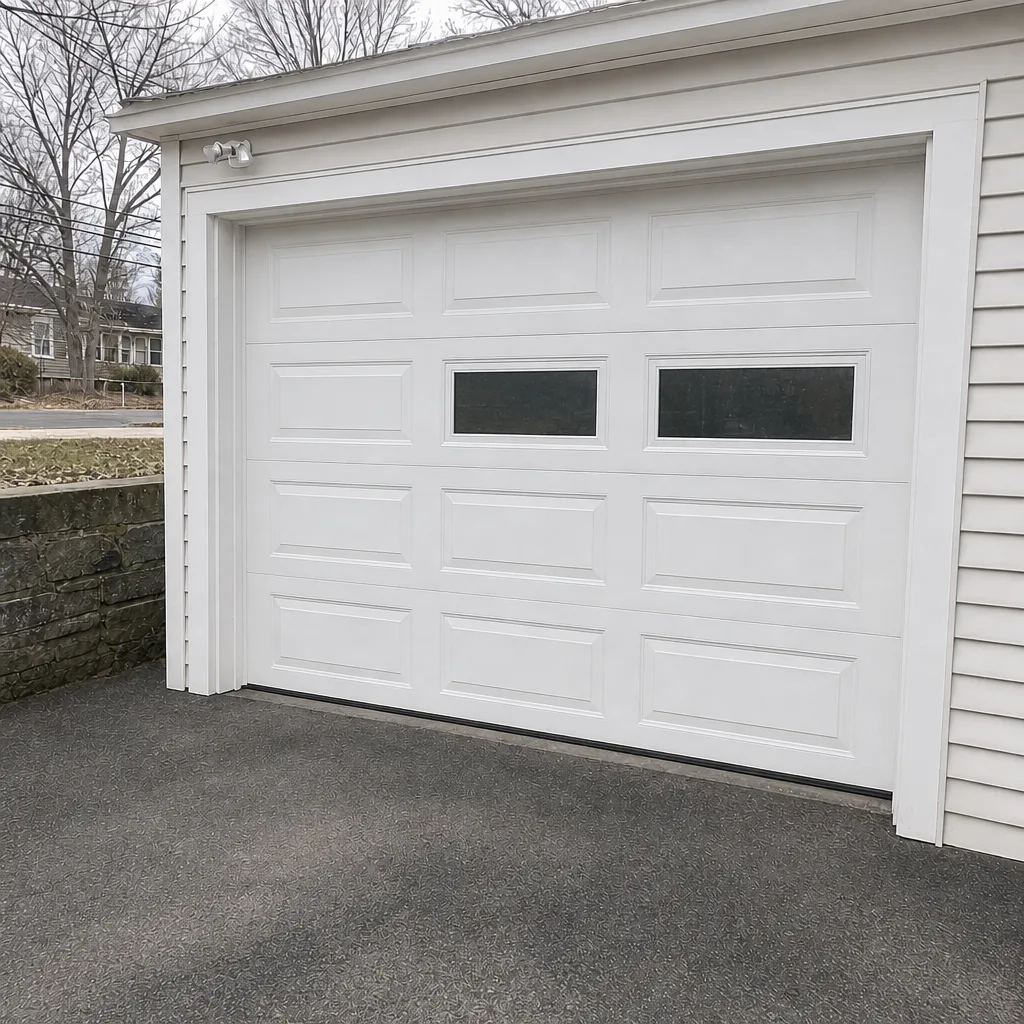
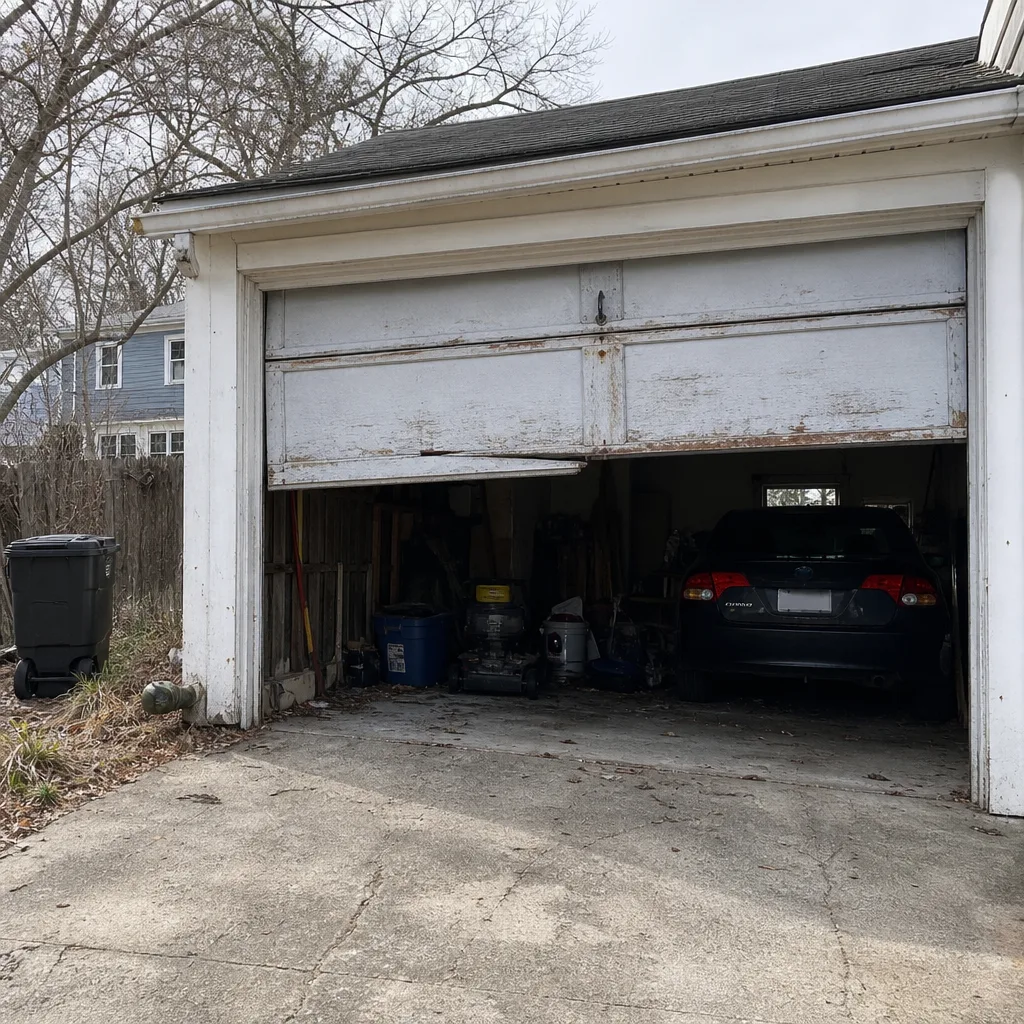
See the difference
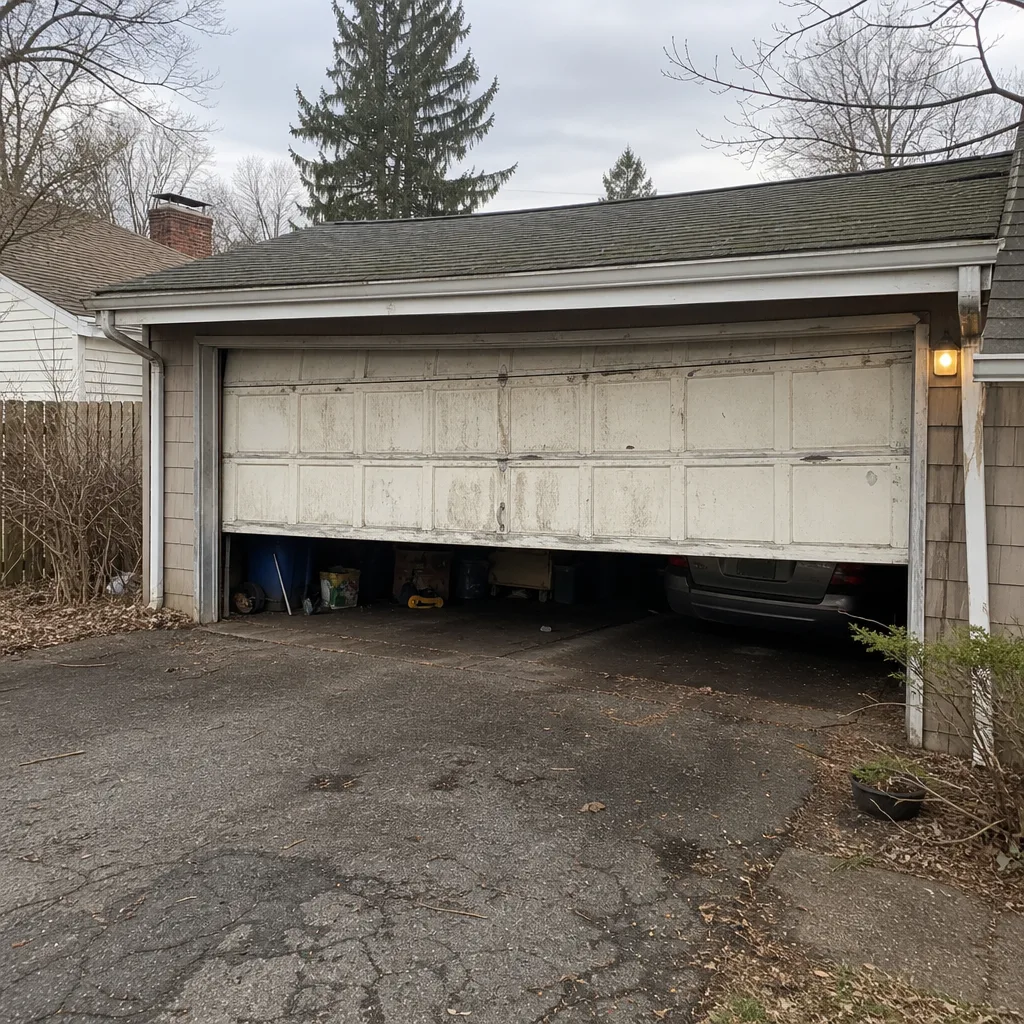 Before
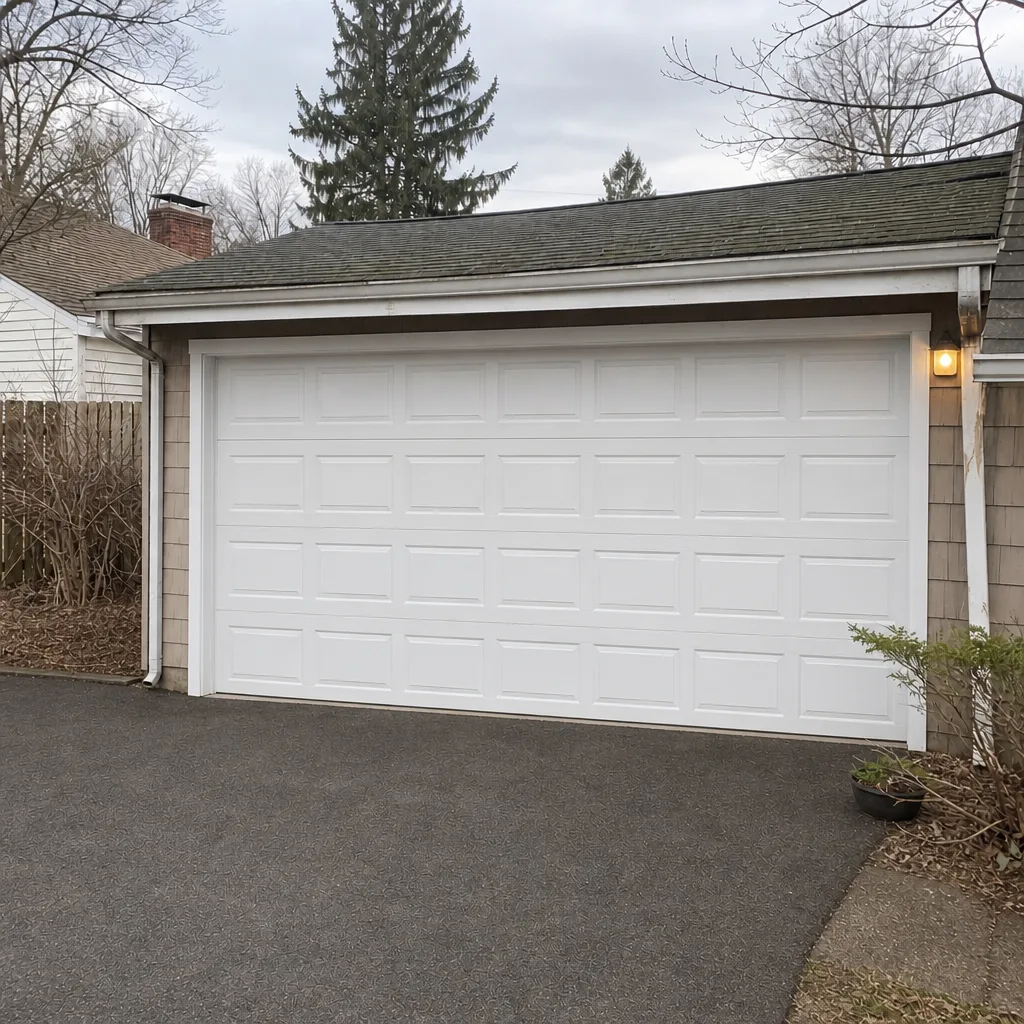 After
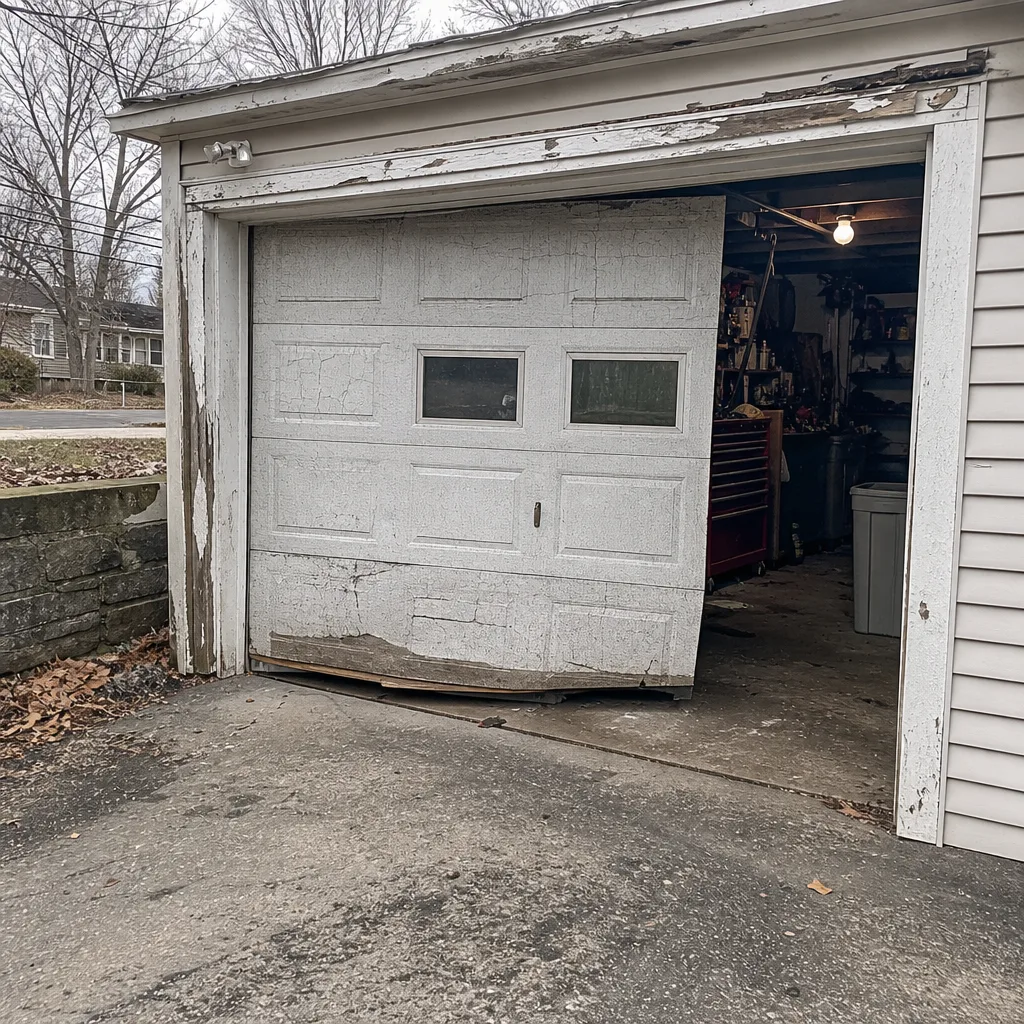 Before
 After
 Before
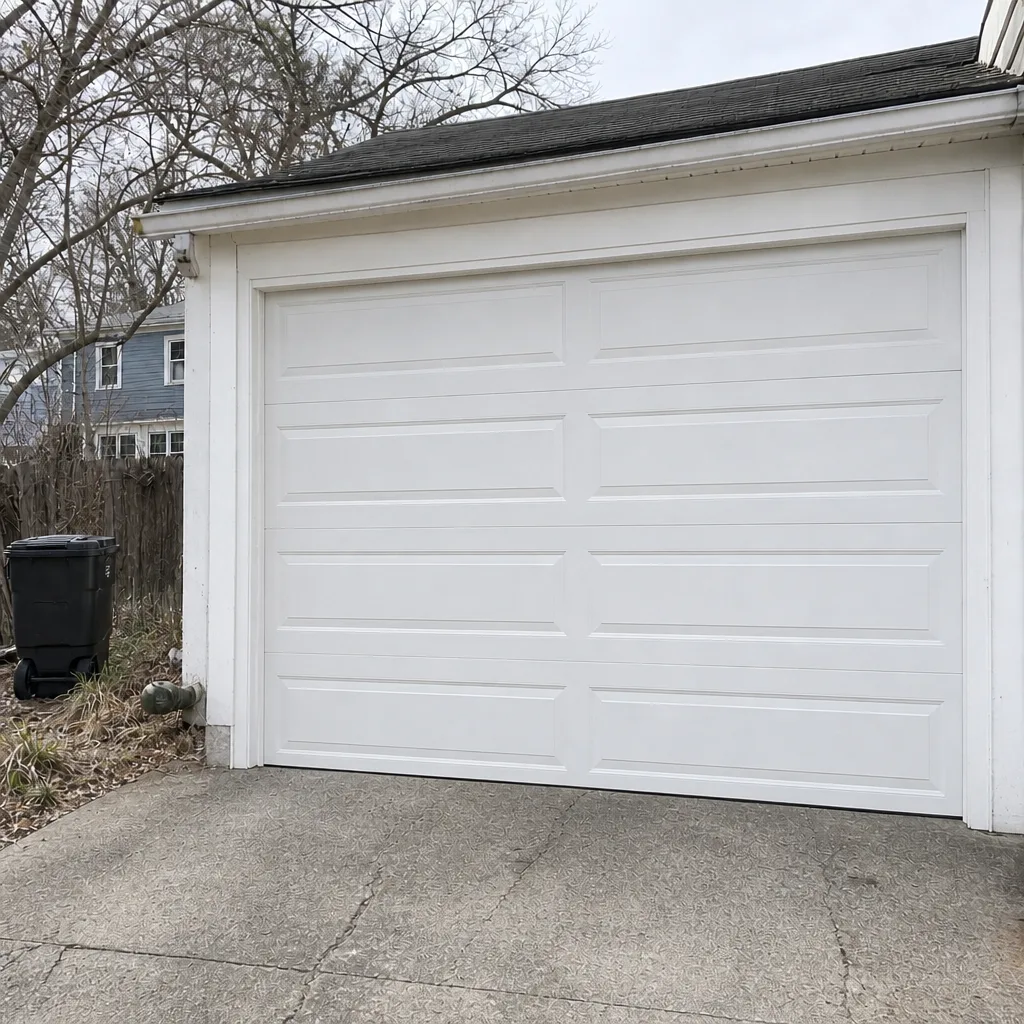 After
When to Call a Professional
Some garage door problems are best handled by a technician even before paperwork enters the conversation. If a spring is broken, don’t touch it. A garage door spring is under extreme tension, and it can cause serious injury when it releases. The same goes for a cable that has snapped or a door that has come off its track. These aren’t DIY items, and a general handyman shouldn’t be working on them either, because the forces involved are outside the range of most general repair tools. If your door has been closing unevenly, making a loud bang, moving slowly, or stopping partway, those are signs worth a proper look before anything gets worse. Beverly Garage Door Repair Co offers free estimates in Beverly, and we’re familiar with your brand before we arrive. Call (833) 421-1727. We answer 24/7. Fast dispatch from 7am to 7pm, Sunday through Friday.
Frequently Asked Questions
In most cases, yes. Replacing a garage door is generally treated as construction work under the Massachusetts State Building Code (780 CMR) and typically requires a building permit from the City of Beverly. The door’s size, weight, and wind-load rating are part of the application. Confirm the specific requirement with the Beverly building department before ordering a door. Call (833) 421-1727 for a free estimate on the installation side.
No. Spring replacement is repair, not construction, and it’s generally exempt from permitting in Beverly. That’s a good thing, because a broken spring is exactly the kind of problem you want fixed quickly, and it’s also dangerous to leave sitting. Spring repair is a specialist job, and our teams treat it as a core service. Call (833) 421-1727 for an estimate.
The work exists on your property without a permit record, and that record gap can surface during a home sale, an insurance review, or a future renovation. The usual remedy is a retroactive permit and an inspection. Beverly’s building department can tell you exactly what it requires to bring the work into compliance. If the installed door has any safety or function problems on top of the permit issue, call (833) 421-1727 for a free estimate.
It verifies that the installed door matches the permit, that mounting and attachment are secure, that the door is balanced and operates smoothly, and that the safety systems work: photo-eye sensors, contact reversal, and the manual release. It’s a practical safety check, not an aesthetic review. If any of those systems need repair, that’s our line of work. Call (833) 421-1727.
Call the City of Beverly building department and ask for the permit history on your address. Match what you find against the work actually done on the property. Any permit that was issued but never inspected is worth following up on before you list the home. If you’re unsure whether the existing door is compliant or safe, call (833) 421-1727 for a free estimate.
Usually not, if you’re swapping a like-for-like opener with no wiring changes. If the install involves a new electrical circuit or a change to the wiring, that electrical work may need its own electrical permit in Beverly. Confirm with the building department. For opener repair or replacement, call (833) 421-1727 and we’ll give you a written price before any work starts.
An opener swap on an existing door generally doesn’t require a building permit, unless the electrical wiring changes. Other common jobs fall on the same principle: repair is exempt, and structural change is not. Installations and replacements are the ones that trigger a permit. Whenever you’re not sure, ask the Beverly building department. For a look at the full scope of what Beverly Garage Door Repair Co handles across repair, installation, and emergency service, that’s a reasonable next step.
The Bottom Line
Permits and garage doors aren’t the most glamorous pairing, but the gap between “repair” and “replacement” is where homeowners get tripped up. Repair work (springs, cables, openers, tracks) is generally exempt. Replacement work generally isn’t. The Massachusetts State Building Code applies, and the City of Beverly’s building department is the authority you call for the specifics. Keep the paperwork, close out the permit, and note that the safety features inspectors check are the same ones worth fixing the moment they fail. Get the written estimate first, agree on the scope, and let the paperwork run in parallel with the door order. That single habit is the difference between a smooth replacement and a closing-week surprise.
Written by the team at Beverly Garage Door Repair Co.