
Last updated November 23, 2026
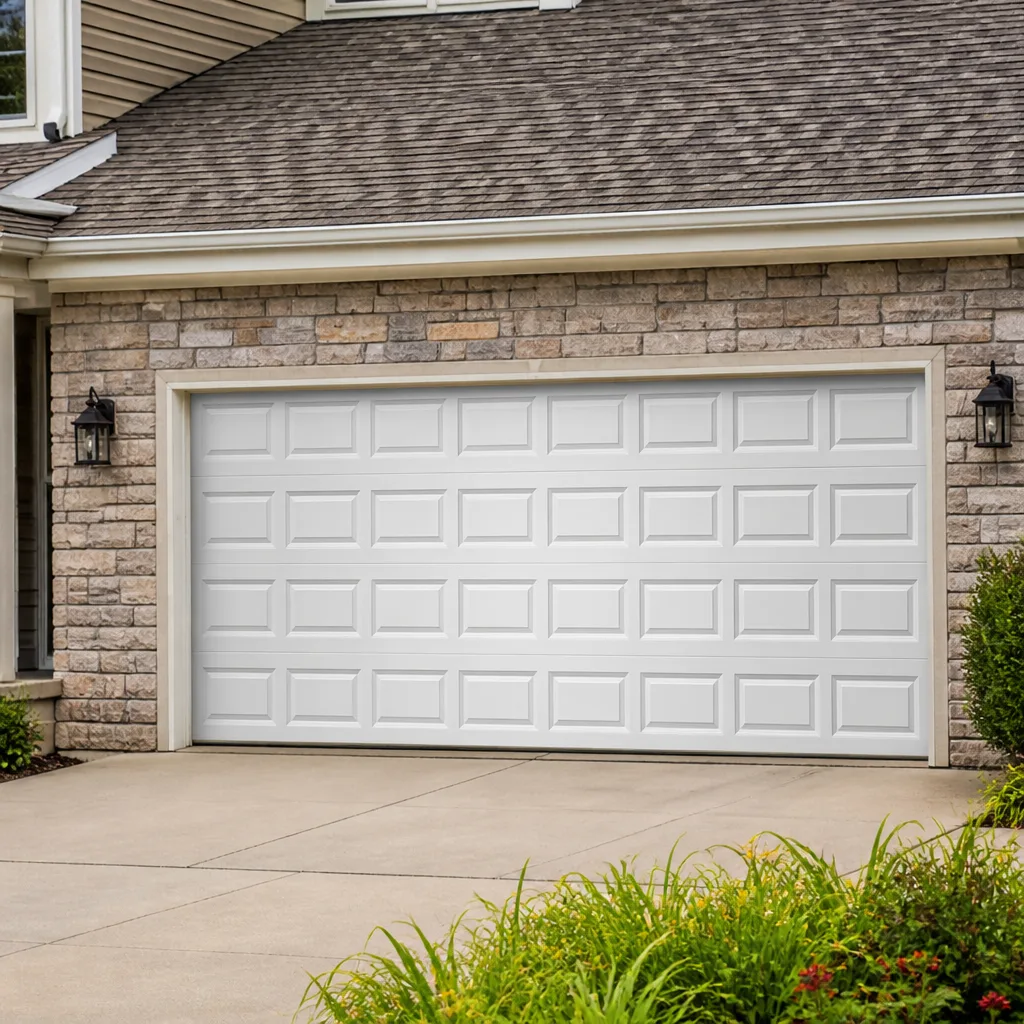 Raised-panel steel
 Carriage house
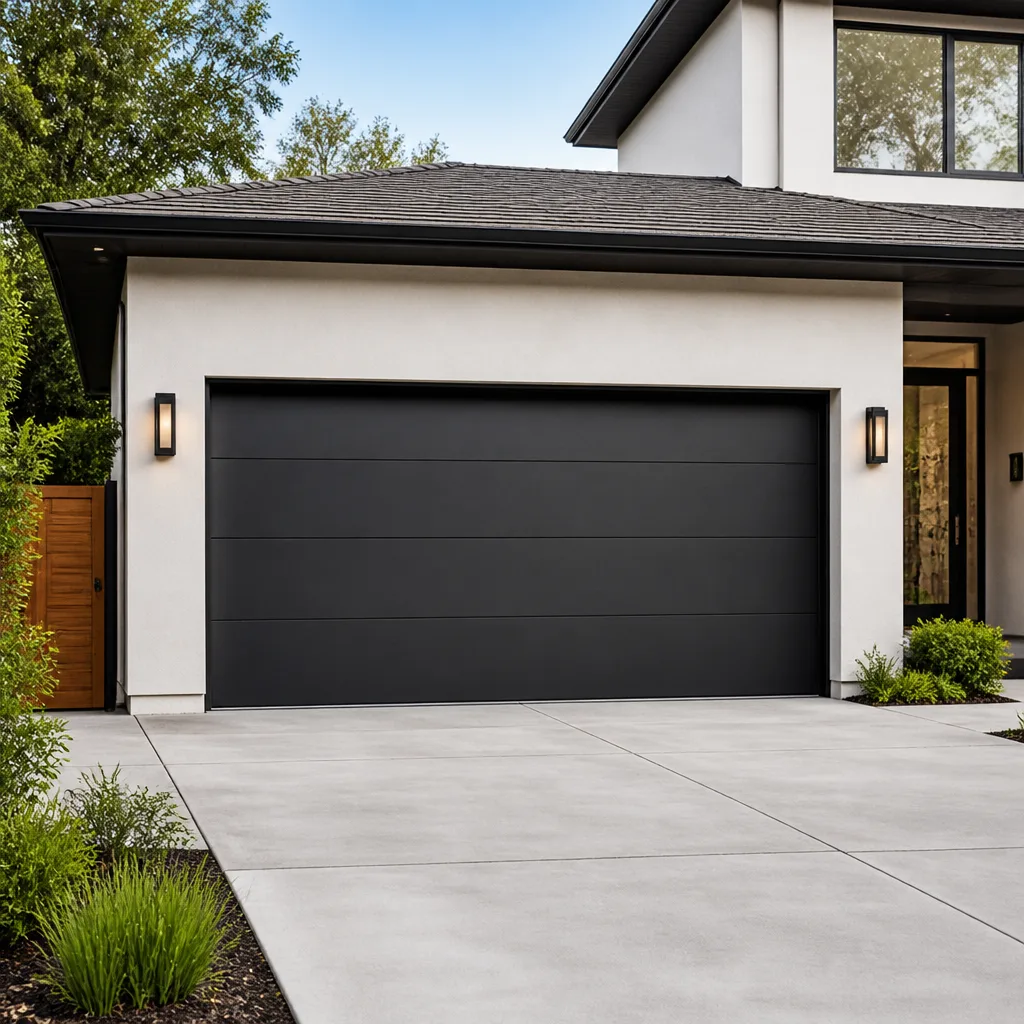 Modern flush
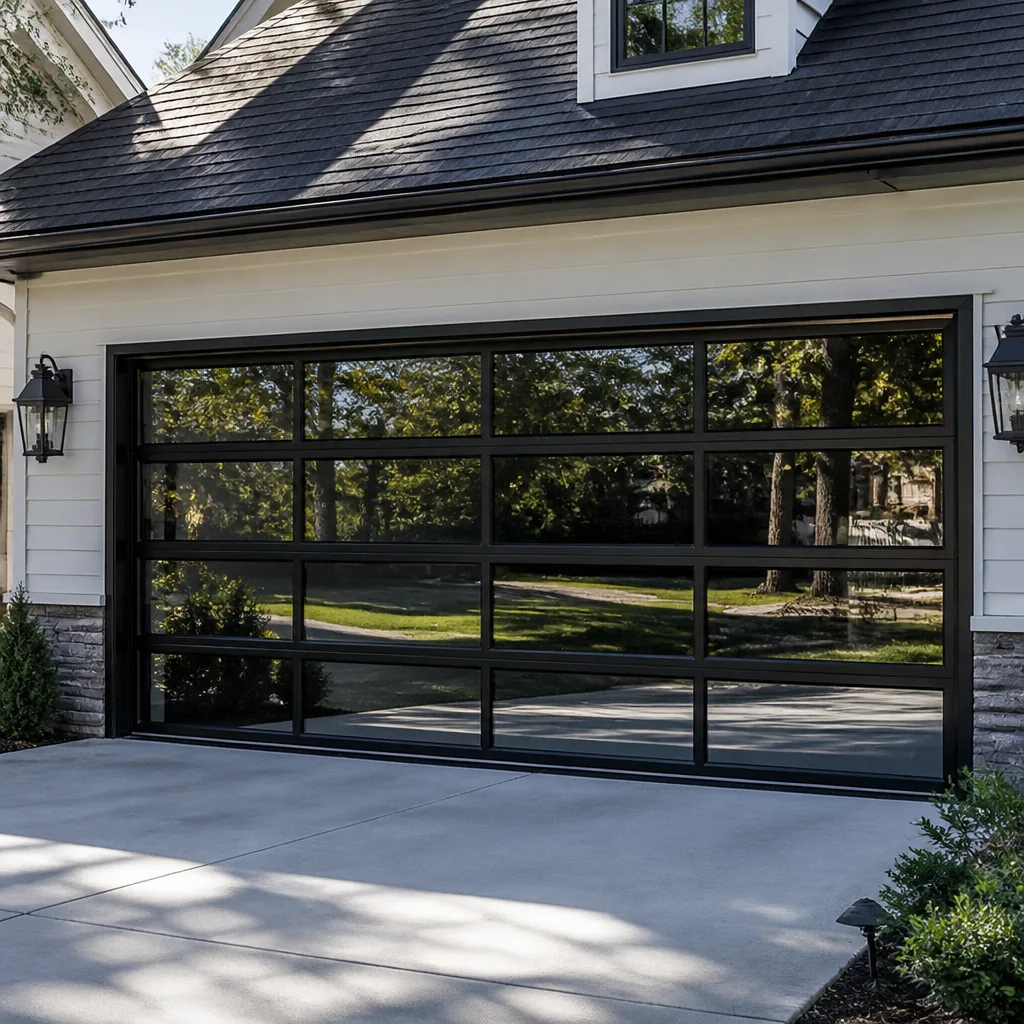 Full-view glass
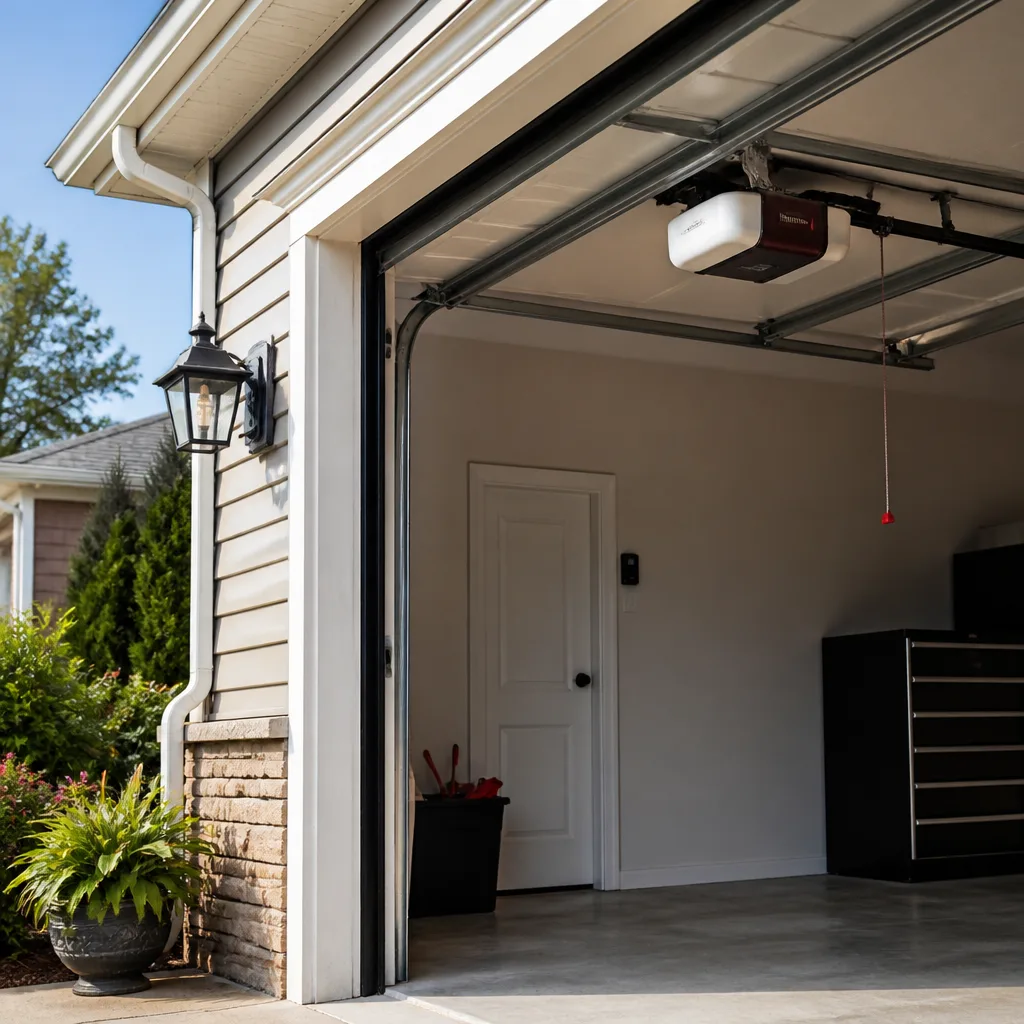 LiftMaster openers
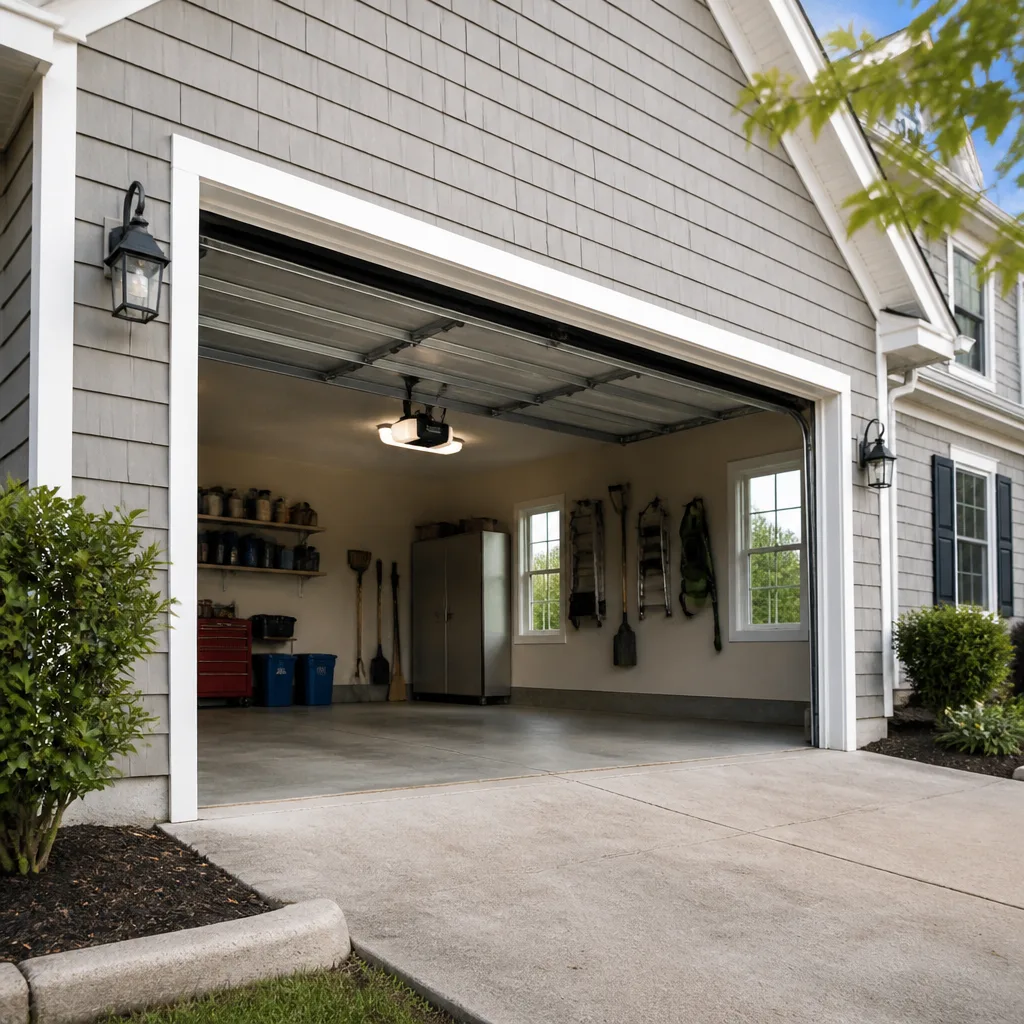 Chamberlain openers
Full 25-point door and opener safety check with every visit - springs, cables, rollers, tracks, and your LiftMaster or Chamberlain opener included
You get a price before we start. It does not change when the pro arrives.
Get your free estimateSeasonal Garage Door Care for Beverly: Year-Round Homeowner’s Guide
February is the hardest month on garage door springs in Beverly, and cold alone doesn’t explain it. Metal fatigues a little with every freeze-thaw swing, and those cycles pile up through December and January until the stress peaks right when temperatures lurch hardest. By the time a spring lets go, it’s been failing for weeks. Most homeowners never see it coming because they only look at the door, not at the parts moving behind it. This guide walks through what each Beverly season does to a different part of your door, and how a short, calendar-based check keeps you ahead of the failure most likely that month.
Quick Answer
Seasonal garage door care in Beverly means matching maintenance to what the weather is actually stressing that month: lubricating rollers and hinges before the first hard freeze, rinsing road salt off the bottom brackets through winter, inspecting spring tension and hardware after the last thaw, and adjusting opener travel limits during summer heat. A 15-minute walk-through each season, done without tools, catches most problems before they turn into a snapped spring or a door that won’t close.
Styles & brands we work with
- Raised-panel steel
- Carriage house
- Modern flush
- Full-view glass
- LiftMaster openers
- Chamberlain openers
Table of Contents
- Why Beverly’s Seasons Hit Your Garage Door Differently
- Fall: Lubricate Before the First Freeze
- Winter: Road Salt and the Bottom Brackets
- Spring: The Post-Winter Inspection Sequence
- Summer: Heat Expansion and Opener Travel Limits
- The 15-Minute Seasonal Walk-Through
- Brand-Specific Care Notes
- Common Mistakes to Avoid
- When to Call a Professional
- Frequently Asked Questions
Why Beverly’s Seasons Hit Your Garage Door Differently
A garage door is a machine made of several materials that expand, contract, and fatigue at different rates. In a climate with four distinct seasons, those materials don’t wear evenly. They take turns being the weakest link. That’s the part most care guides skip. They hand you one generic checklist and tell you to run it in spring and fall, but a Beverly door in January is under a completely different set of stresses than the same door in July.
One example: steel springs and torsion hardware endure thousands of small temperature-driven flex cycles across a winter. Freeze-thaw cycling is what turns a spring that’s near the end of its fatigue life into one that snaps on a cold morning. Aluminum door panels, by contrast, are relatively happy in cold but expand noticeably in summer heat, which changes how freely the door travels in its tracks. The rollers, hinges, and bottom brackets live in yet another world, exposed to whatever the car drags in off the driveway.
Thinking about the year as a rotation of stresses changes how you care for the door. Instead of one big annual tune-up, you get four smaller, better-timed checks. Each one targets the component most likely to fail that month. In our experience across Beverly, a door that gets this kind of attention lasts longer and gives fewer surprises than one that only gets looked at when something breaks.
It also helps to understand the anatomy. Four systems move together every time you press the button:
- The spring system (torsion or extension) counterbalances the door’s weight. It carries the most stored energy and does the most invisible work.
- The track and roller system guides the door’s path and takes the brunt of debris and grime.
- The hinges and bottom brackets connect panels and anchor the door’s lowest point.
- The opener and its travel limits decide how far the door opens and where it stops at the floor.
Each season leans on one of those systems more than the others. Keep that map in your head and the rest of this guide reads like a schedule, not a list.
Fall: Lubricate Before the First Freeze
Of all the seasonal tasks on this calendar, re-lubricating the rollers, hinges, and track before the first hard freeze matters most. Here’s why: lubrication doesn’t just reduce squeaks. It keeps moisture out of the moving joints. Once the temperature drops and condensation forms on cold metal, an under-lubricated roller can seize, and a seized roller grinds a flat spot into the track. That flat spot becomes a jump, the jump becomes a jam, and the opener starts working harder against a door that used to glide.
Timing matters. The goal is to lubricate while it’s still mild enough that the product spreads and settles into the joints. Do it in fall and the coating is still there when the freeze arrives. Do it too late, in a cold snap, and you’re trying to work a stiff product into stiff joints.
What to lubricate, and what to avoid
- Rollers: a couple of drops at each roller’s stem, not a flood. If your rollers are the sealed-bearing type, most need little to nothing, and too much attracts grit.
- Hinges: a small amount at each hinge pivot, where the panels pivot against each other.
- Track: a light film inside the track channel, wiped on rather than sprayed in. The door should slide on a sheen, not a paste.
- Torsion spring (if accessible and you keep clear of the winding hardware): a light coat to slow surface rust, applied by hand with the door closed.
The lubricant to avoid is the one most likely sitting in your garage right now: ordinary spray grease and anything silicone-based that leaves a sticky film. Sticky products grab dust and grit, and grit in a track is worse than a dry track. A purpose-made garage door lubricant designed for metal-on-metal moving parts holds up through the cold without turning gummy. Ask for that, or read the label and pick something that stays slick at low temperatures.
Fall is also the right time to check weather seals along the bottom and sides. A worn bottom seal lets cold air and, later, snowmelt in. And it’s the moment to schedule a look at anything that’s been slightly off all summer. A squeal that showed up in August doesn’t improve with the first freeze. If a roller or hinge is already damaged, fall is the season to sort out garage door repair before winter puts extra load on it.
Winter: Road Salt and the Bottom Brackets
Beverly road salt doesn’t stay on the street. It rides in on tires, splashes up onto the car, and drips onto the garage floor. Over a winter, that salty slush migrates toward the lowest point of the door, which is the bottom brackets and the lowest hinges. Salt accelerates corrosion right where the door carries the most load. A rusted bottom bracket weakens its grip on the cable, and that’s a safety concern, not just a cosmetic one.
You can slow the process with a routine that takes a minute or two:
- Rinse, don’t scrub. Wipe the bottom brackets and lowest hinges with a damp rag and clean water, then dry them. Rinsing removes the salt film. Scrubbing drives grit into the joints.
- Keep the floor clear. A quick sweep near the door line gets rid of the salty puddle that would otherwise sit against the bottom seal for hours.
- Reapply a light coat of lubricant to the bottom hinges and bracket once the metal is clean and dry. Think of it as a barrier against the next salt spray.
- Watch the bottom seal. A cracked seal lets meltwater sit against the door’s lowest edge. Replace a worn seal before it turns into a rusted panel bottom.
Winter also puts real stress on the door itself. Snow piled against the door, ice at the threshold, and a frozen bottom seal all make the door labor to open. If the door pulls hard on a cold morning, don’t force it repeatedly. That’s the sound of the opener and springs fighting a frozen seal. Clear the ice, then try again.
And then there’s the spring. If your door makes a sharp bang from inside the garage and suddenly feels very heavy, a spring has likely broken. Don’t run the opener on a door with a broken spring, and don’t try to lift it by hand to test it. This is the single most dangerous component on the whole door. A trained technician handles garage door spring repair with the right tools; it’s not a homeowner job. We answer 24/7 and dispatch fast from 7am to 7pm, Sunday through Friday, so a winter breakdown doesn’t leave your car trapped.
Spring: The Post-Winter Inspection Sequence
Spring is when you take stock of the damage winter did, and the inspection has to go deeper than looking at the panels. Panels can look perfect while the spring behind them is past its safe service life. The sequence below moves from the least risky check to the most, so you finish with a clear picture of the whole door.
The post-winter inspection, in order
- Visual pass on panels and seals. Look for dents, rust at the bottom edge, and a bottom seal that’s cracked or pulling away. Note anything loose.
- Listen to the door. With the door closed and the opener disconnected if you know how, lift the door partway by hand. It should feel steady, not excessively heavy. If it feels like dead weight, stop and get it looked at.
- Check the balance. Open the door about halfway by hand and let go gently. A well-balanced door holds roughly in place. A door that sinks fast or drifts down is telling you the spring tension has changed or a spring is failing.
- Check spring tension indirectly. You’re not measuring the spring by hand. You’re watching how the door behaves. Uneven opening, a door that rises crooked, or a bang at the start of travel all point to spring problems. Never touch the torsion spring, the winding cones, or the cables yourself.
- Look at the hardware. Hinges, brackets, and rollers should be tight and rust-free. Loose or rusted hardware after a Beverly winter is common and easy to fix when caught early.
- Test the safety reverse. Put a roll of paper towels under the door’s path and close it. The door should reverse on contact. If it doesn’t, stop using the opener until it’s fixed.
Freeze-thaw stress is cumulative, so spring is also the moment to decide whether a door that’s been getting heavier all winter needs a closer look. If the balance check fails or the door bangs on start, don’t wait for it to break completely. A spring that’s caught in spring is a straightforward fix. A spring that snaps in a crowded driveway is a bigger problem.
The door itself, its tracks, and the opener all deserve a look in this season. If the opener strains, reverses on its own, or the door jumps in the track, our garage door opener repair covers both the older units and the newer smart-integrated ones from brands like Genie and Chamberlain.
Summer: Heat Expansion and Opener Travel Limits
Summer is the season homeowners expect the least trouble, yet it’s the best time to adjust your opener’s travel limits. Heat makes metal and aluminum expand, and that expansion changes how freely the door moves in its tracks. A door that closes perfectly in April can start stopping short of the floor in July, or reversing before it fully meets the ground. Neither means the door is broken. It usually means the opener’s travel and force settings were tuned in cooler weather and now need a touch of adjustment.
Why summer is the right time: you want to make those adjustments in the warm season so the settings suit the door at its largest. When fall cools the door back down, the same settings have margin on both sides. Adjusting in the cold, by contrast, tunes the opener to a shrunken door, and the first hot week throws it off again.
The effects of heat expansion depend on the material:
- Steel doors expand less than aluminum but can bow slightly in the center of a panel, which changes how the door sits against the seals.
- Aluminum doors expand more and are more likely to bind in a tight track on a hot afternoon. If your door sticks only on the hottest days, expansion is the usual suspect.
- Rollers and track clearances tighten as parts swell, so a door that was fine in April can develop a light rub in July.
Adjusting travel limits on most openers is a matter of small, careful changes to the up and down stops, following the manual for your unit. What matters more is doing the safety reverse test again after any change, and only making one small adjustment at a time. If the opener won’t hold a setting, or the door refuses to reach the floor no matter how you adjust it, that’s a sign the problem is mechanical. A door that’s binding in its track or a spring that’s lost tension will defeat any opener setting. In that case, a look from a technician is faster than repeated adjustment. Both the repair and the adjustment are covered in our garage door repair service.
Summer also brings the season’s small comfort: it’s the easiest time of year to spot problems, because you’re out in the garage more often and can hear new noises without the distraction of winter. Use that. A warm afternoon is a good moment to run the walk-through below.
The 15-Minute Seasonal Walk-Through
You don’t need tools for this, and you don’t need to understand how the springs work. The walk-through is a matter of looking, listening, and testing, so you can spot the changes that matter and leave the dangerous work to a technician. Do it once per season, ideally in the same month each time, and note anything that’s changed since last season.
Step by step
- Look at the whole door from outside. Are the panels straight? Any rust at the bottom? Does the door sit flush against the opening, or is there a gap at one side?
- Check the bottom seal. Run your hand along the bottom edge with the door closed. Is the seal cracked, brittle, or pulling loose? Can you see daylight underneath?
- Listen while it runs. Open and close the door once. Note squeaks, grinds, bangs, or a door that hesitates. New noises are information.
- Watch the door’s travel. Does it rise and fall evenly, or does it move crooked and jerk? Does it stop at the same points each time?
- Do the balance check by hand. Disconnect the opener, lift the door about halfway, and let go gently. It should hold near where you let it go. It shouldn’t sink fast or feel like dead weight.
- Test the safety reverse. Close the door on an object like a roll of paper towels. It should reverse on contact.
- Look for rusty or loose hardware. Brackets, hinges, and rollers should be tight and clean. Note anything that’s loosened or rusted since last season.
That’s the whole thing, and it takes about fifteen minutes. The value isn’t in the individual checks as much as in doing them on a schedule. A door that squeaks every spring and a door that starts squeaking this spring tell completely different stories. The first is normal, the second is a change.
Pair the walk-through with a quick note on your phone or a pad in the garage: the date, anything new, anything that got worse. In our experience, that record turns a vague “it’s been noisy for a while” into a specific timeline, which makes it much easier to tell a small adjustment from a real repair.
What the walk-through does not include, deliberately: touching the torsion spring, the cables, the winding cones, or the bottom bracket’s cable anchor. Those carry stored energy even when the door looks still. Leave them to a trained professional.
Brand-Specific Care Notes
Not every door and opener has the same maintenance quirks, which is why knowing the brand matters. If you’re not sure what you have, the opener unit usually carries a label, and the door panels often have a small tag near the bottom hinge. A technician familiar with the make can often diagnose from the symptoms alone.
LiftMaster and Chamberlain openers share a lot of design lineage, and their travel-limit adjustments follow similar logic: small, deliberate changes and a reverse test after each. Genie openers, including the older models still common in Beverly garages, tend to have their own adjustment points and a distinct reverse test. If your door is a Clopay, the panel and hardware layout is worth knowing if you’re planning repairs, since matching parts matters more than people expect. A Wayne Dalton door may have its own track and hardware system that behaves differently from a generic setup. If you’re looking at a new install, Amarr is among the brands we work with and worth comparing against Clopay if you’re weighing options.
This is why we focus on the brands we know well rather than treating every system as the same. We work with LiftMaster, Chamberlain, Genie, Clopay, Amarr, Wayne Dalton, Craftsman, and Raynor. When a technician arrives knowing the brand, they’re not guessing at the adjustment points or the spring specification; they already know the door in front of them.
Seasonal care is mostly brand-neutral, since the principles of lubrication, cleaning, and inspection apply to any door. But specific parts, travel protocols, and the likely failure points do vary by brand. If you’re deciding when to replace versus repair, or thinking about a full install, that brand knowledge is what turns a vague recommendation into a specific one. You can learn more about what we do on the Beverly Garage Door Repair Co home page.
Common Mistakes to Avoid
We see the same handful of mistakes every year in Beverly, and each one shortens the life of some part of the door. Avoiding them is as valuable as doing the right checks.
- Lubricating too late and too little. Waiting for the first freeze means the coating never sets in. A thin, well-timed fall application beats a heavy one done in a hurry when it’s already cold.
- Using spray grease or sticky lubricants. These grab grit and turn the track into sandpaper. Use a purpose-made garage door lubricant, not whatever’s on the shelf.
- Ignoring salt on the bottom brackets. Salt spray builds up low on the door and quietly weakens the brackets. A damp rag in winter is a minute of work that protects the most stressed hardware.
- Running the opener on a door with a broken spring. This burns out the opener motor and puts you at risk. Stop and call.
- Adjusting travel limits in the cold. You’re tuning the opener to a shrunken door, and summer heat undoes your work. Adjust in the warm season and re-test the safety reverse.
- Skipping the balance check every spring. Visual inspection misses failing springs. The balance check is how you catch the problem before it snaps.
- Assuming a summer sticking door means a broken opener. Heat expansion in a tight track is often the cause. Diagnose the track and rollers before you replace the opener.
When to Call a Professional
Some things are a walk-through, and some things are a phone call. Call us if the door bangs on opening, if it feels much heavier than it used to, if it rises crooked or stops unevenly, or if the safety reverse doesn’t work. Call if a spring has broken, if the cable looks slack or frayed, or if the opener strains, reverses on its own, or won’t hold a setting. Call if the door came off its track or if a panel is bent badly enough to affect how it closes. A handful of these are jobs a homeowner should never attempt, and the spring and cable work tops that list.
Beverly Garage Door Repair Co offers free estimates in Beverly. Call (833) 421-1727. We answer 24/7 and dispatch fast from 7am to 7pm, Sunday through Friday, so a stuck door or a snapped spring gets attention without a wait, and any price is quoted and agreed before work starts.
Frequently Asked Questions
Fall: lubricate rollers, hinges, and the track, and replace worn seals. Winter: rinse salt off the bottom brackets and hinges and reapply light lubricant. Spring: run the balance check and safety reverse test, and inspect hardware after winter. Summer: adjust opener travel limits in the heat and re-test. Each season takes about 15 minutes.
Freeze-thaw cycling peaks in February, and metal fatigue accumulates through every temperature swing. A spring already near the end of its service life gives out when temperatures lurch hardest. That’s why a spring balance check every spring matters more than looking at the panels: panels don’t show spring fatigue at all.
Yes. Aluminum expands more in heat than steel, which can cause binding or sticking on the hottest days. A door that only sticks in July usually has a heat-expansion issue in the track or rollers, not a broken opener. Summer is also the right season to adjust travel limits, because you want the opener tuned to the door at its largest.
Most repair work in Beverly is quoted per job after a technician looks at the door, so the price you agree on before work starts is the price. Call (833) 421-1727 for a free estimate – estimates are free, and we’ll give you a clear written price before anything is touched.
A light coat on the spring itself, by hand, with the door closed, slows surface rust and is safe. Never touch the winding cones or the cable attachment points – those carry stored energy. Leave all spring adjustment and cable work to a trained professional.
We do same-day service when we can, and we answer 24/7. A call outside dispatch hours is booked into the next opening, Sunday through Friday, 7am to 7pm. Call (833) 421-1727 for an exact quote – estimates are free.
The Bottom Line
Seasonal care works because each Beverly season stresses a different part of your door, and a short check timed to the right month catches the failure most likely then. Lubricate before the freeze. Rinse the salt through winter. Do the balance check and safety reverse test after the thaw. Adjust travel limits in summer heat. Fifteen minutes per season, no tools, and the spring and cable work left to a trained technician. Do that, and the door you drive in and out of in January is far less likely to surprise you. Call (833) 421-1727 for a free estimate.
Written by the team at Beverly Garage Door Repair Co.
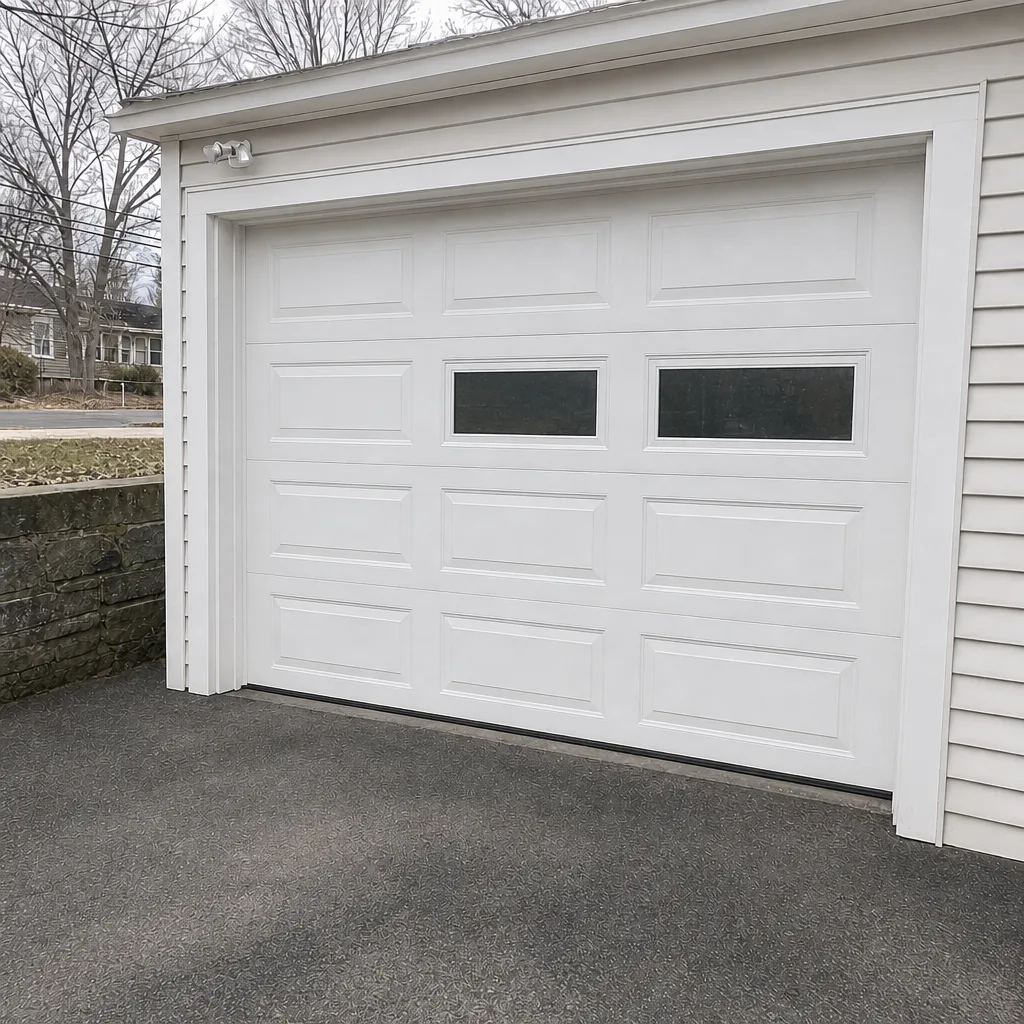
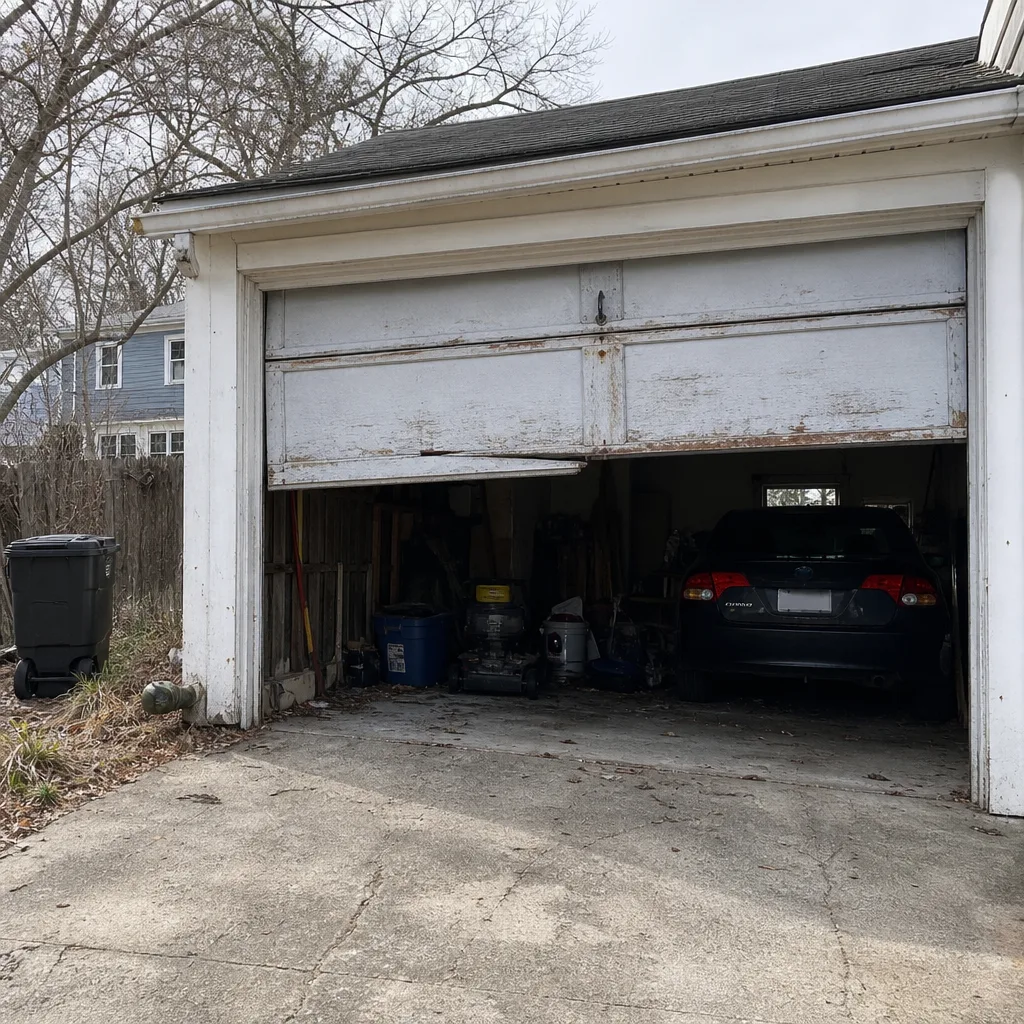
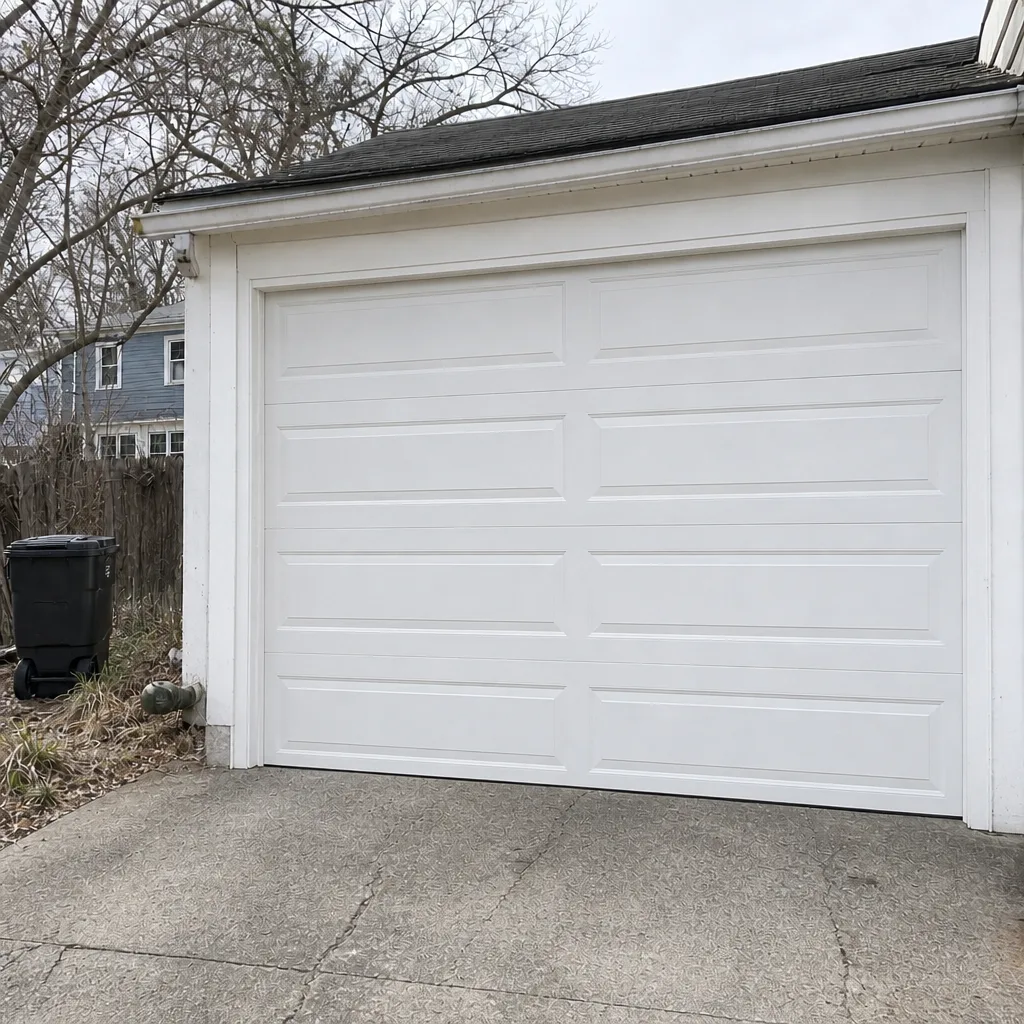
See the difference
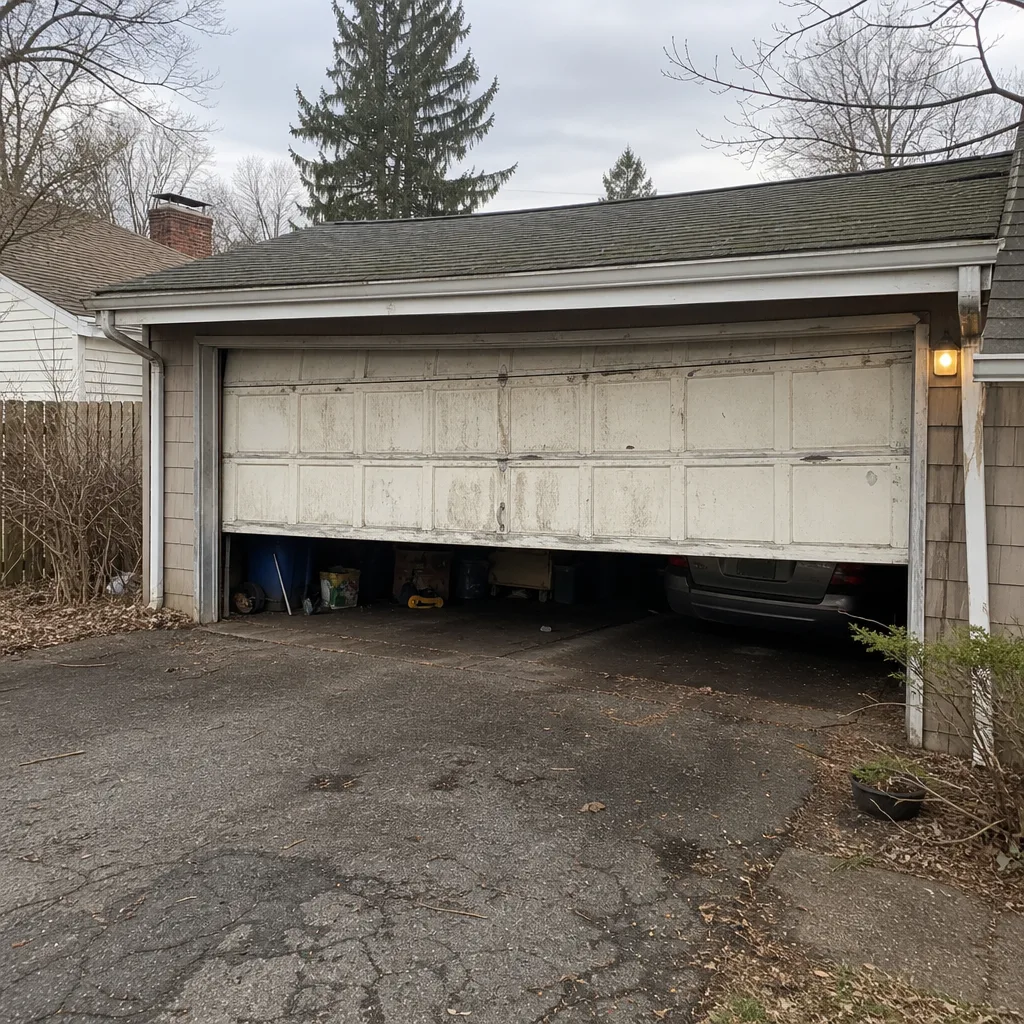 Before
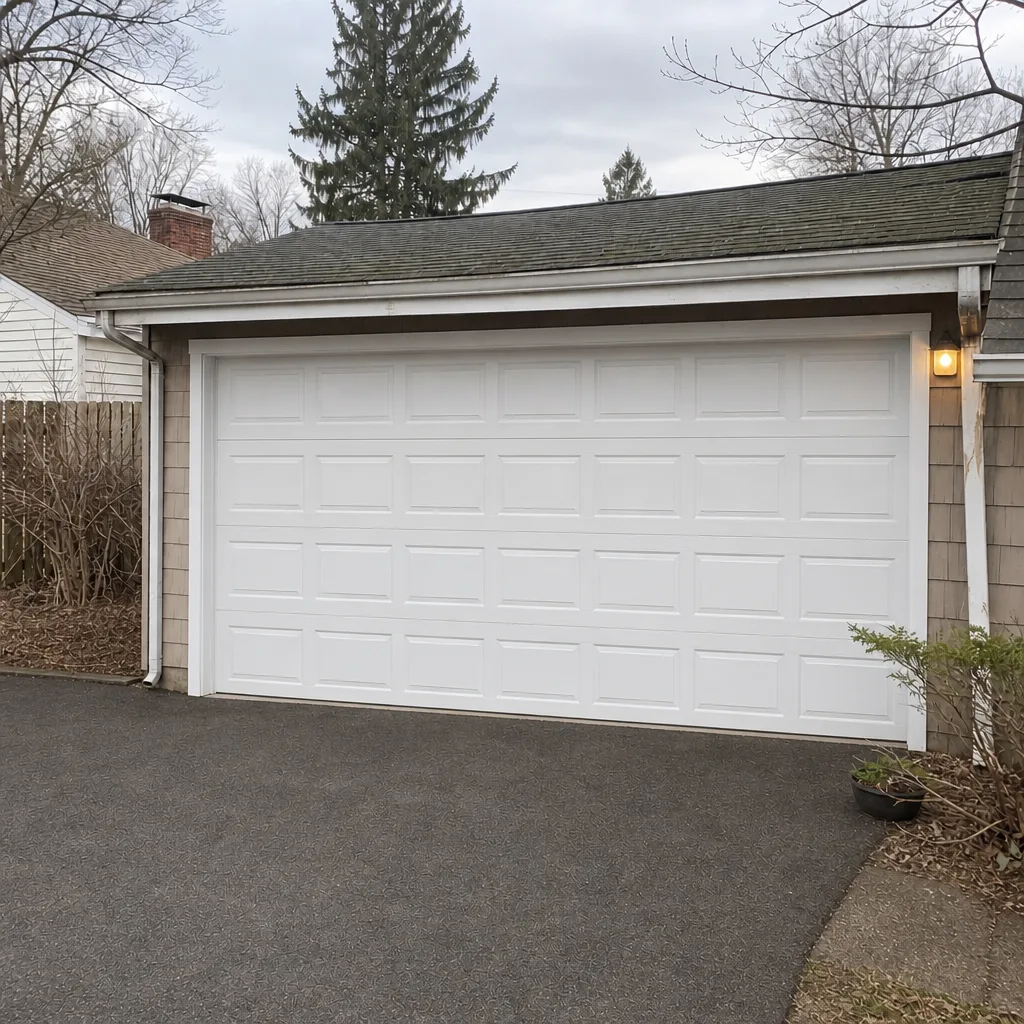 After
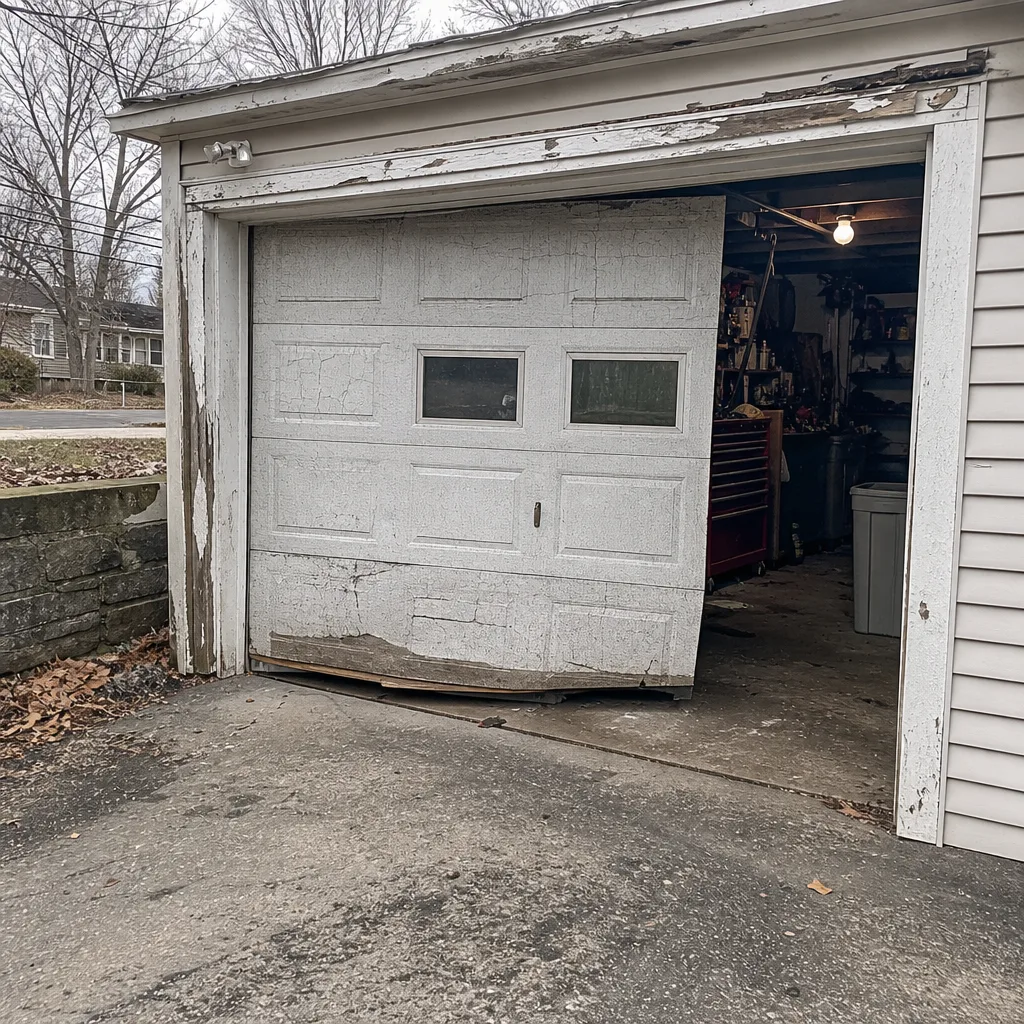 Before
 After
 Before
 After