
Last updated November 23, 2026
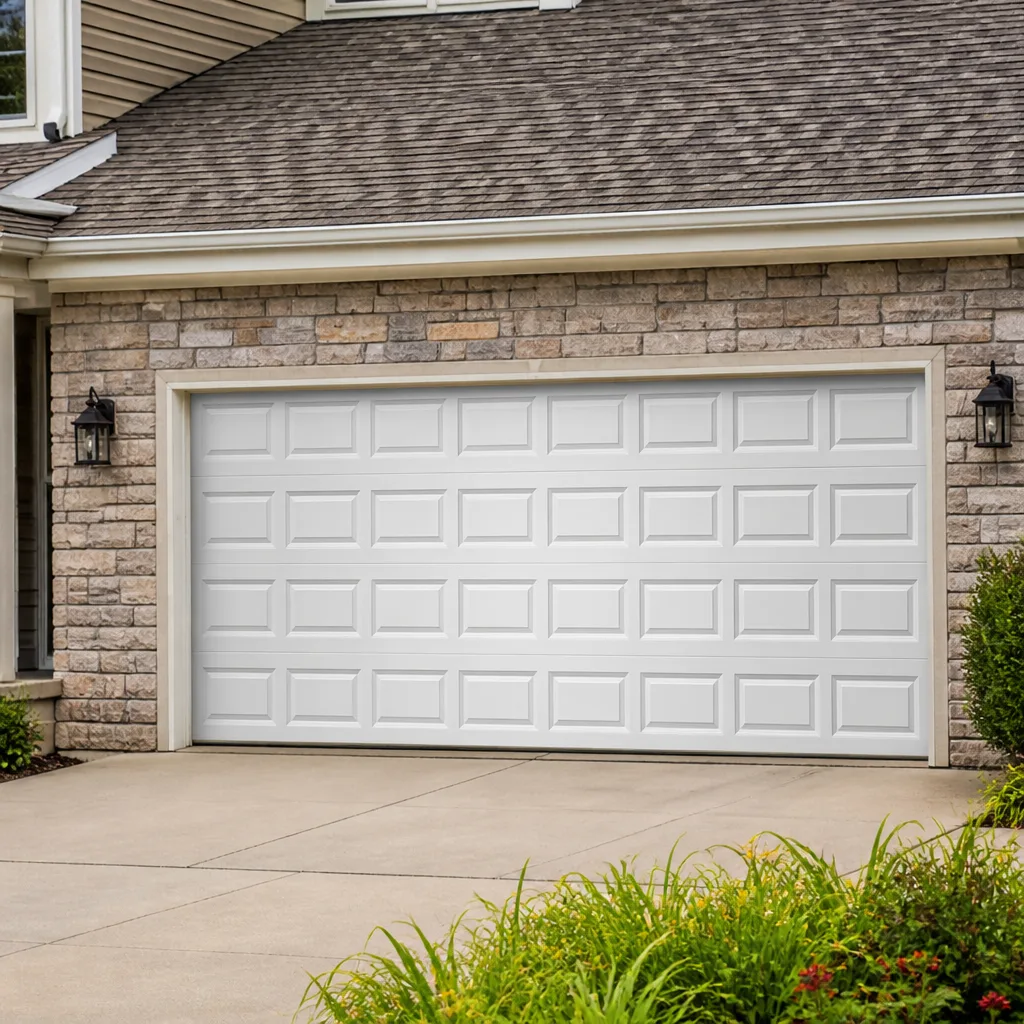 Raised-panel steel
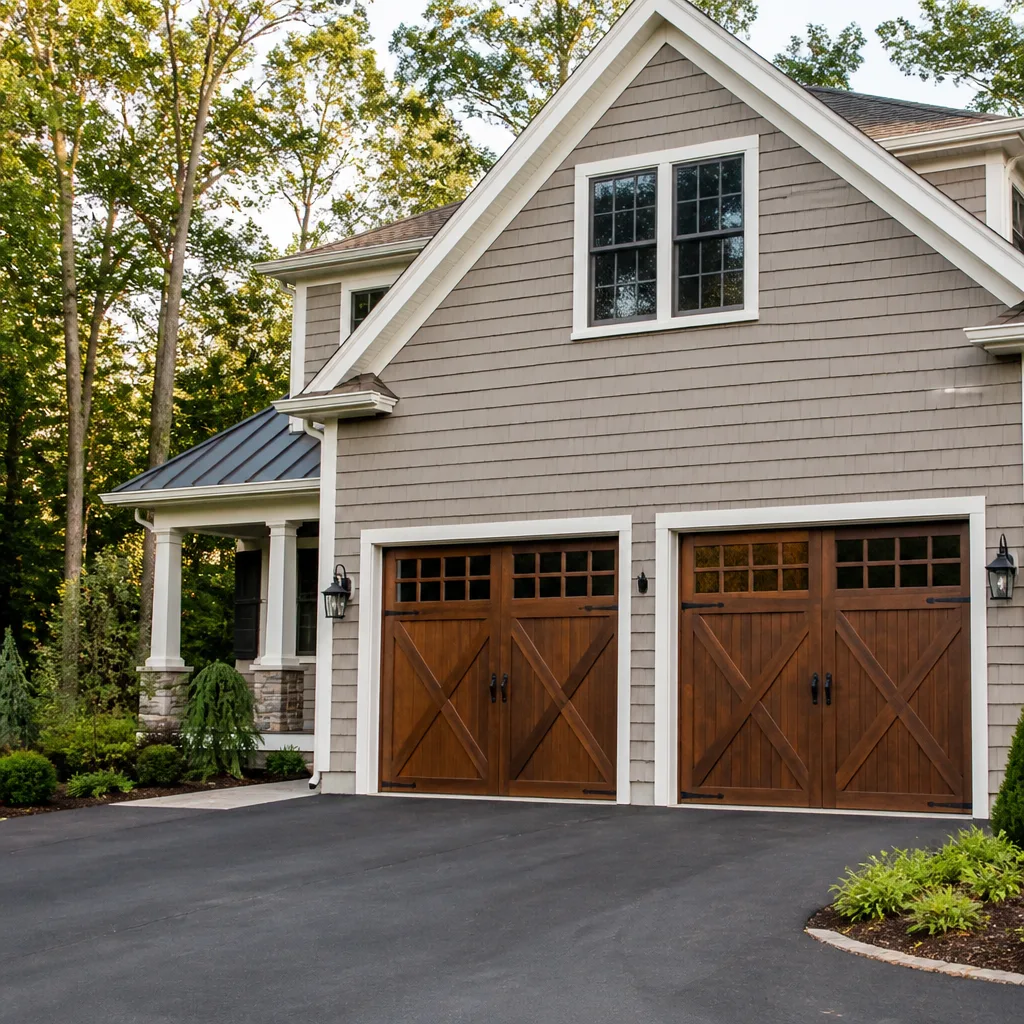 Carriage house
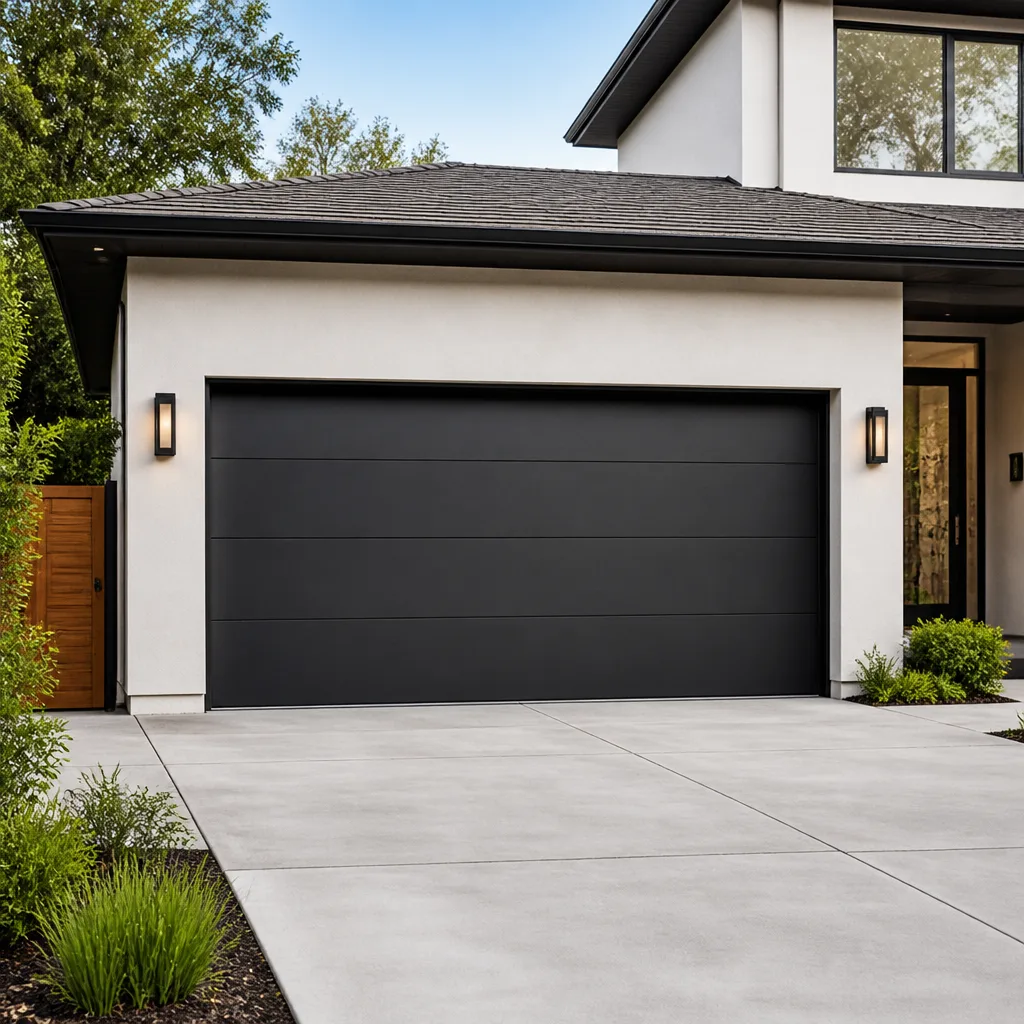 Modern flush
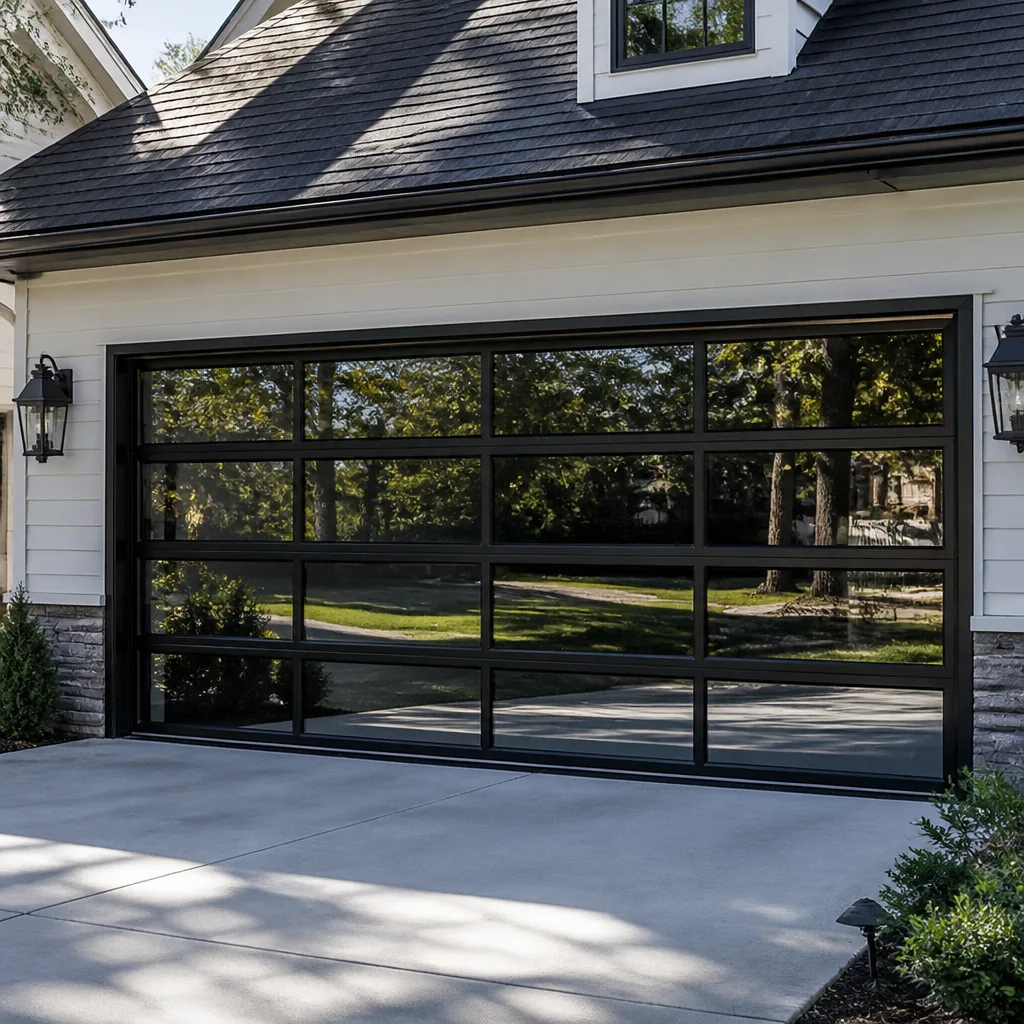 Full-view glass
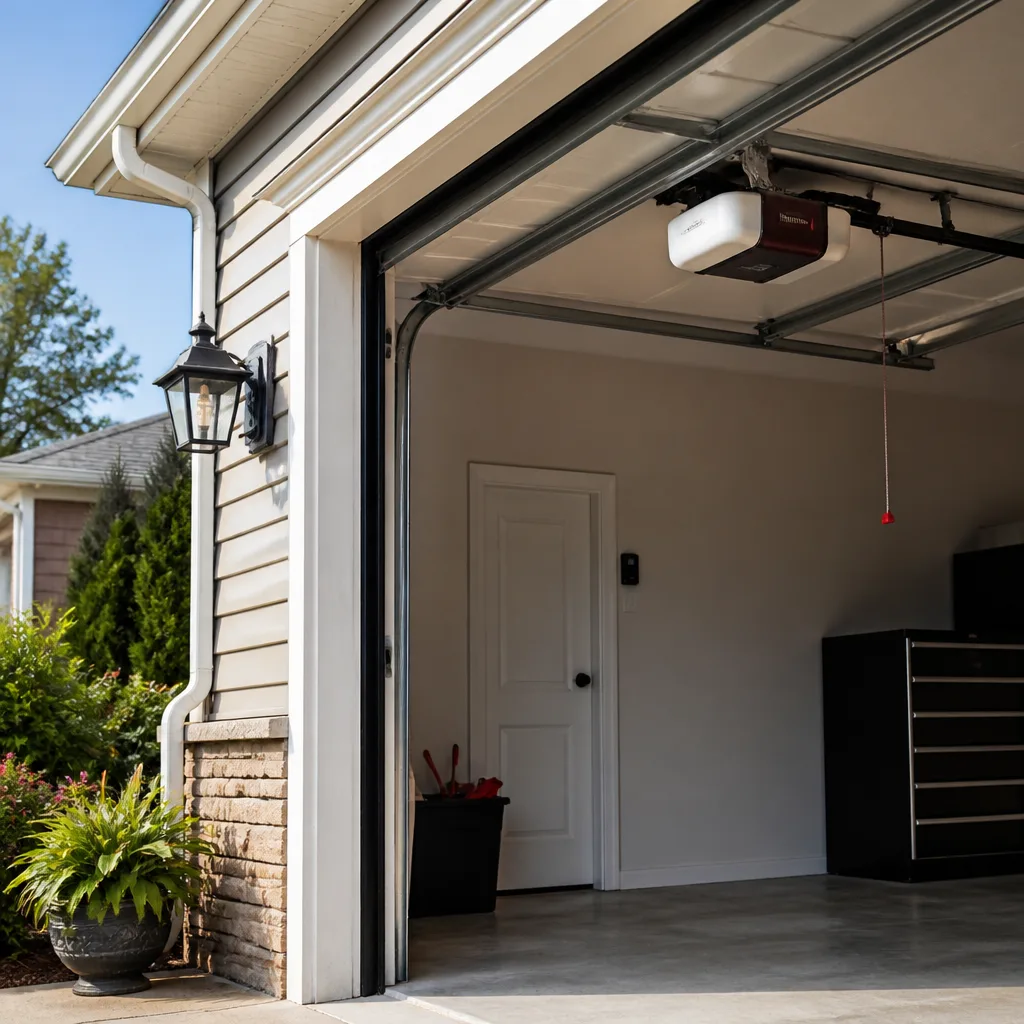 LiftMaster openers
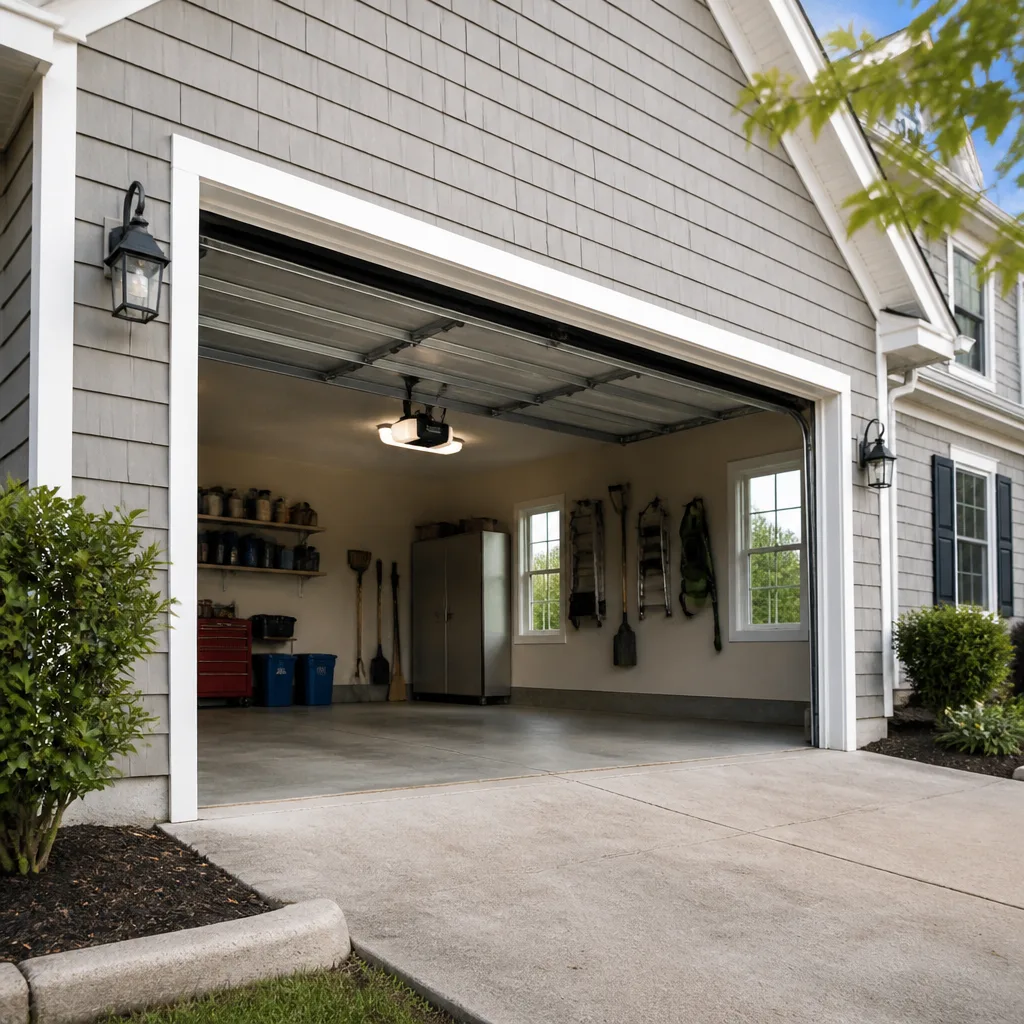 Chamberlain openers
Full 25-point door and opener safety check with every visit - springs, cables, rollers, tracks, and your LiftMaster or Chamberlain opener included
You get a price before we start. It does not change when the pro arrives.
Get your free estimateGarage Door Emergency Preparedness Guide for Beverly Homes
Most homeowners treat a garage door like a light switch: it works until it doesn’t, and nobody thinks about it in between. That’s the misconception worth correcting first. A garage door is a spring-loaded machine under constant tension, hung on tracks, run by an opener, and sitting on the windward side of your house through every New England season. The failure usually doesn’t announce itself. A torsion spring snaps, an opener dies, a door jumps its track, and suddenly your car is trapped or your house is standing open. What separates a two-hour inconvenience from a two-day headache is what you already know and wrote down before anything broke. This guide covers that groundwork for Beverly homes: the manual release, the records to keep, what counts as a true emergency, storm prep, and how to vet a technician on the phone before you give them your address.
Quick Answer
Garage door emergency preparedness in Beverly comes down to three things done in advance: knowing where the manual release cord is and how to use it safely, keeping a written record of your door model and spring size posted in the garage, and having a vetted service contact saved in your phone. With those in place, a spring failure or dead opener becomes a controlled situation instead of a scramble. If a door is jammed, off its tracks, or hanging uneven, stop using it and call for help.
Styles & brands we work with
- Raised-panel steel
- Carriage house
- Modern flush
- Full-view glass
- LiftMaster openers
- Chamberlain openers
Table of Contents
- How Do You Open a Garage Door Manually?
- What Three Things Should Every Beverly Homeowner Post in the Garage?
- What Counts as a Garage Door Emergency vs. a Schedule-This-Week Problem?
- Why Is a Broken Spring the Most Dangerous Failure?
- How Do You Prepare a Garage Door for a Nor’easter?
- How Do You Vet a Garage Door Technician on the Phone?
- What Does Emergency Garage Door Repair Cost in Beverly?
- What Happens When You Call?
How Do You Open a Garage Door Manually?
Pull the red release cord hanging from the opener carriage, then lift the door by hand. That’s the short version, and it’s the single most useful thing you can learn before you need it. The long version has a few safety conditions that matter, especially in an older Beverly home where the opener may have been installed by a previous owner.
Here’s the sequence to practice while the door still works:
- Locate the red manual release cord. It hangs from the carriage on the opener rail, usually above the center of the door or slightly behind it.
- Check that the door is fully closed first if you can. Pulling the release with the door partway up leaves a heavy panel suspended on the springs.
- Pull straight down on the cord until you hear or feel the carriage disengage from the chain or belt.
- Lift the door slowly by hand, using the lift handle or the bottom section. A properly balanced door should lift with one hand and stay put when you let go at about waist height.
- Prop nothing and force nothing. If the door won’t lift, feels impossibly heavy, or slams back down, stop and call for help.
Two things not to do. Never pull the release cord while the door is open and the opener is running, because the door can drop. And never try to open a door by hand after a spring has visibly broken. A torsion spring failure leaves the door with no counterbalance, which means the full weight of the door, often well over a hundred pounds, is riding on the cables and your arms. That’s a stop-and-call situation, not a manual-release situation.
What if the power is out but the door is fine?
Then the manual release does exactly what it’s for. Unplug the opener or leave it off so it doesn’t try to re-engage mid-lift, disengage the carriage, and operate the door by hand until the power returns. Re-engage the carriage afterward by running the opener once, which pulls the carriage back into the chain or belt. A LiftMaster or Chamberlain unit re-engages the same way; if your opener has a smart-home app, check for a lockout setting that’s holding it, since a locked unit won’t respond to the wall button after power returns.
What about your car keys and remotes?
Keep a spare remote in the house, not just in the car, and know that most openers have a battery backup option if yours doesn’t already. Genie and Craftsman units from the last decade often do. It’s worth checking before you need it, not during a storm outage.
What Three Things Should Every Beverly Homeowner Post in the Garage?
Tape a single index card to the wall next to the garage door, or inside the door of the electrical panel if the garage is detached. On it, write the three pieces of information that turn every future service call into a faster one. In our experience answering calls from Beverly homeowners, the difference between a quick diagnosis and a long one is almost always whether those three things were already written down.
The three:
- Door model and manufacturer. Look for a sticker on the inside of the bottom or second panel. Most installed doors in Beverly are Clopay, Amarr, or Wayne Dalton, and each brand has its own panel and hardware conventions. Having the model written down lets a technician pull up the exact parts diagram before arriving.
- Spring size. This is stamped on the spring coil itself: a wire size, an inside diameter, and a length, something like “.243 x 2 x 28.” It looks like gibberish until you need it. A broken torsion spring has to be matched to the door’s weight, and knowing the original spec means the replacement is ordered correctly the first time instead of guessed at. If you can’t read the stamp, take a close-up photo of the spring and text it to the technician.
- Service contact. A saved number in your phone for a garage door technician you’ve already vetted. Add it under a name you’d actually search for, like “Garage Door.” If you save it as a contact, add a note with the door model and spring size too.
While you’re at it, take three photos: the door model sticker, the spring with its stamp visible, and the opener’s data plate (usually on the back or side of the motor housing). Save those in an album on your phone. That album is worth more to a technician than any description you could give over the phone.
Why not just call and describe it?
You can, and we’ll work through it with you. But “it’s a brown door, about sixteen feet, the spring on the left” tells a technician very little, while a photo of “.218 x 2 x 26” tells them the exact spring to order. Beverly has plenty of homes from the 1920s to the 1960s with older one-car garages and doors that were replaced or added later, so the installed hardware often doesn’t match the house’s age. Documentation is the only reliable way to know what you have.
What Counts as a Garage Door Emergency vs. a Schedule-This-Week Problem?
A garage door emergency is any failure that leaves your home open to the street, traps a vehicle you need, or creates a risk of the door falling. Everything else can usually be scheduled. The distinction matters because it’s the first question we ask on the phone, and it’s the first question you should ask yourself before you call.
Stop using the door and call now
- A torsion spring has snapped. You can see the gap in the coil, and the door is now dead weight.
- The door has come off one or both tracks and is hanging crooked or wedged.
- A cable has snapped or jumped its drum and is loose, kinked, or wrapped the wrong way. That cable is under high tension and can cause serious injury.
- The door is stuck open and won’t close, leaving your home and vehicles exposed.
- The door is stuck closed with a car trapped inside and you need that car for work or a medical appointment.
- The door is making a loud bang, grinding, or screeching, or the panels are visibly bent or separating.
- You’ve had a break-in or attempted break-in and the door or opener is compromised.
Watch it and schedule this week
- The opener strains or hesitates but the door still opens and closes fully.
- The door is noticeably louder than it used to be, or it squeaks and rattles.
- The bottom seal has gaps, the weatherstripping is torn, or daylight shows around the edges.
- The remote or wall button only works intermittently, or the safety sensors need to be realigned.
- The door reverses before closing all the way, or the opener light flashes a code.
- The door is out of balance: it drifts back open after you let go at waist height, or the opener strains to lift it.
The out-of-balance door on that second list is the one most people ignore. A door that feels heavier than it used to, or that drifts back open when you let go at waist height, is a spring that’s lost tension or a door that’s out of adjustment. It will keep working for a while, and then one morning it won’t. Getting to it before that morning is the point.
Why Is a Broken Spring the Most Dangerous Failure?
A garage door spring stores enough energy to lift a door that weighs well over a hundred pounds, and when it fails it releases that energy all at once. That’s why spring repair is a job for trained technicians, and why it’s one of the few household jobs we’d tell any homeowner to leave alone. A torsion spring is wound to a specific number of turns matched to the door’s weight. Getting that wrong can break the spring on the first cycle, or worse, let it fail while someone is standing under it.
Safe things to do:
- Look. A snapped spring is usually visible as a gap in the coil above the door or along the side.
- Listen. A loud bang from the garage with no other explanation is often a spring letting go.
- Test the balance with the door closed and the opener disengaged, if you can do it safely.
- Take a photo of the spring with its size stamp visible and send it to a technician.
Things to leave alone: winding or unwinding a torsion spring by hand, adjusting the cables or drums, and replacing a spring with a different size than the door was engineered for. We’ve handled garage door spring repair across every brand installed in Beverly, and the most common problem we see isn’t a bad spring; it’s a mismatched one. Somebody installed the wrong size years ago, and the door has been running out of balance ever since.
One spring or two?
If your door has two springs and one has broken, the other is under the same cycles and often the same age. A matched pair is usually replaced together, and that cost is roughly double the single-spring figure. A technician will tell you which your door should have and why; don’t let anyone talk you into replacing both if your door was engineered for one, or into replacing one if it was engineered for two.
How Do You Prepare a Garage Door for a Nor’easter?
Check the bottom seal, the weatherstripping, and the door’s ability to stay shut under wind load before the storm arrives, not during it. In Beverly, that means a walk around the door and its perimeter in early fall, well before the first nor’easter, plus a check after any significant wind event. Most of the storm damage we see isn’t the door giving way; it’s water getting in under a worn bottom seal and the opener failing a few days later because the motor housing took on water.
The pre-storm checklist:
- Lower the door and look along the bottom. Any daylight showing under the seal, or any spot where it’s flattened or cracked, is water waiting to get in.
- Check the weatherstripping on the sides and top. If it’s brittle, torn, or pulling away from the frame, replace it. New England temperature swings are hard on it.
- Test the door’s wind resistance by standing inside and pushing gently on the door when it’s closed. If it flexes significantly or rattles, the door may not handle a strong gust.
- Clear the tracks and the area around the sensors. Storms bring leaves and debris through open doors, and a blocked sensor means the door won’t close.
- Make sure the opener’s manual release is free and reachable. If the door has to be opened by hand during a power outage, you want to know the release isn’t stuck.
- Test the door’s reverse setting by placing a roll of paper towels in its path and closing it. The door should reverse on contact.
If you live in an exposed spot, particularly the neighborhoods along the water and the more open lots near the hospital and the downtown, ask about hurricane-rated bracing. Most standard residential doors in Beverly aren’t engineered for high-wind ratings, and in a genuinely severe storm the safest move is to keep the door closed and stay clear of it. A door that fails under wind load is a serious risk; a door that’s been properly braced is not.
How Do You Vet a Garage Door Technician on the Phone?
Ask two things before you give your address: what brand systems they work on, and whether they can tell you what the job will involve based on what you’ve described. The first tells you whether they’ll recognize your door when they arrive. The second tells you whether they’re diagnosing or just dispatching. If the person on the phone can’t describe the likely repair before they see it, they’re likely to guess once they arrive.
Two more things to confirm:
- Will the price be quoted and agreed before work starts? Any technician worth hiring will tell you yes, and will put it in writing.
- Are they licensed and insured as the state requires? That’s about the local pro we connect you with, not a badge we wear ourselves.
Why the brand question matters more than it sounds. A door and opener system is engineered as a whole, and a technician familiar with Clopay doors and LiftMaster openers knows the common failure points on that pairing before they arrive, including the safety sensor quirks, the travel-limit adjustments, and the gear and sprocket wear patterns. A general handyman will start from scratch, and you’ll pay for the learning curve. We work with LiftMaster, Chamberlain, Genie, Clopay, Amarr, Wayne Dalton, Craftsman, and Raynor, and our technicians have up to 13 years of experience. When you call, ask what brands the technician works on. “We work on everything” is a less useful answer than a real list.
What about the price?
Any estimate you get over the phone before someone has seen the door is a ballpark, and you should treat it that way. The number that counts is the written quote you get on site, agreed before anyone picks up a tool. If a company won’t put a number in writing, call the next one.
What Does Emergency Garage Door Repair Cost in Beverly?
Most emergency garage door repairs in Beverly run from a straightforward hardware fix in the low hundreds to a full opener replacement in the high hundreds, depending on what failed. The written estimate sets the final price. Here are the typical ranges for the jobs that come up most often in emergency calls.
- Single torsion spring replacement: roughly $180 to $340. A matched pair is usually replaced together and costs about double.
- Opener repair (gear, sprocket, limit switch, logic board): roughly $150 to $300.
- Opener replacement, including a new unit installed: roughly $350 to $800, depending on the opener and whether the rails and wiring need replacing.
- Track realignment or roller replacement: roughly $120 to $250.
- Cable replacement: roughly $150 to $300, and this one is always a professional job.
- Bottom seal or weatherstripping replacement: roughly $100 to $250, depending on door width.
These are estimates for typical work, not quotes. A door that’s off its tracks, a bent panel, or a job that needs new hardware will land at the higher end, and a technician can’t always tell which until the door is in front of them. What we can tell you is what won’t happen: nobody starts work without a written number you’ve agreed to. The written estimate sets the final price, and you should get one before anything is taken apart.
Does the emergency call cost more?
No. The price is set per job by the written estimate, whether the call comes in at midday Sunday or during a weekday. What changes with timing isn’t the price; it’s how quickly a gap opens up. We answer 24/7 on the phone line, and our garage door repair schedules fast dispatch from 7am to 7pm, Sunday through Friday. We’re closed on Saturday. A call that comes in outside dispatch hours is booked into the next opening.
What Happens When You Call?
You’ll describe what the door is doing, and we’ll decide together whether it’s a stop-using-it situation or a schedule-it situation. If it’s an emergency, we’ll walk you through the manual release if it’s safe to use, tell you what to do about your car, and get a technician out. If it’s not, we’ll still give you a straight answer about whether it can wait a day or two.
Then comes the part that matters most to homeowners in a hurry: the estimate. The technician looks at the door, diagnoses the failure, and quotes the repair in writing before starting. If the diagnosis changes once the door is apart, and it sometimes does, the conversation happens before the work continues, not after. Our technicians have up to 13 years of experience and work across garage door opener repair and every other repair we offer, so the person who knocks on your door has usually seen your exact door and opener combination before.
If you’d rather not wait for a failure, Beverly Garage Door Repair Co can also handle a whole-door replacement when a repair no longer makes sense, so you’re not calling a second company later. And if you’ve had an opener fail in a storm, look at the bottom seal and the track first; the opener is often the last part to fail and the first to be blamed.
Common Mistakes to Avoid
- Pulling the red cord while the door is halfway up. The door can drop fast. Release it when the door is down, or at least be clear of it.
- Forcing a door that’s off its tracks. Pushing or pulling a crooked door bends the panels and can turn a track fix into a door replacement.
- Replacing one spring when the door was built for two. The second spring is at the same age and the same cycle count. It will follow.
- Greasing the tracks. Dry tracks and dry rollers are normal. Lubricant on the tracks collects grit and makes the rollers slide instead of roll.
- Calling a handyman for a spring or cable. Those parts are under high tension. A general repair service may not have the tools or the training, and the failure mode on a botched spring job is injury.
- Wating for the storm to be over to check the seal. By then, the water’s already in. Beverly’s nor’easters come through fast, and the check takes five minutes in October.
- Calling a company that won’t quote in writing before starting. The number you get on the phone isn’t the number you’ll pay. The written estimate is.
One more, and it’s the one that costs people the most time: not knowing your door’s model or spring size. Every extra minute a technician spends identifying what’s installed is a minute on the bill. The index card on the wall saves that minute every time you need a repair, for as long as you own the house.
See the difference
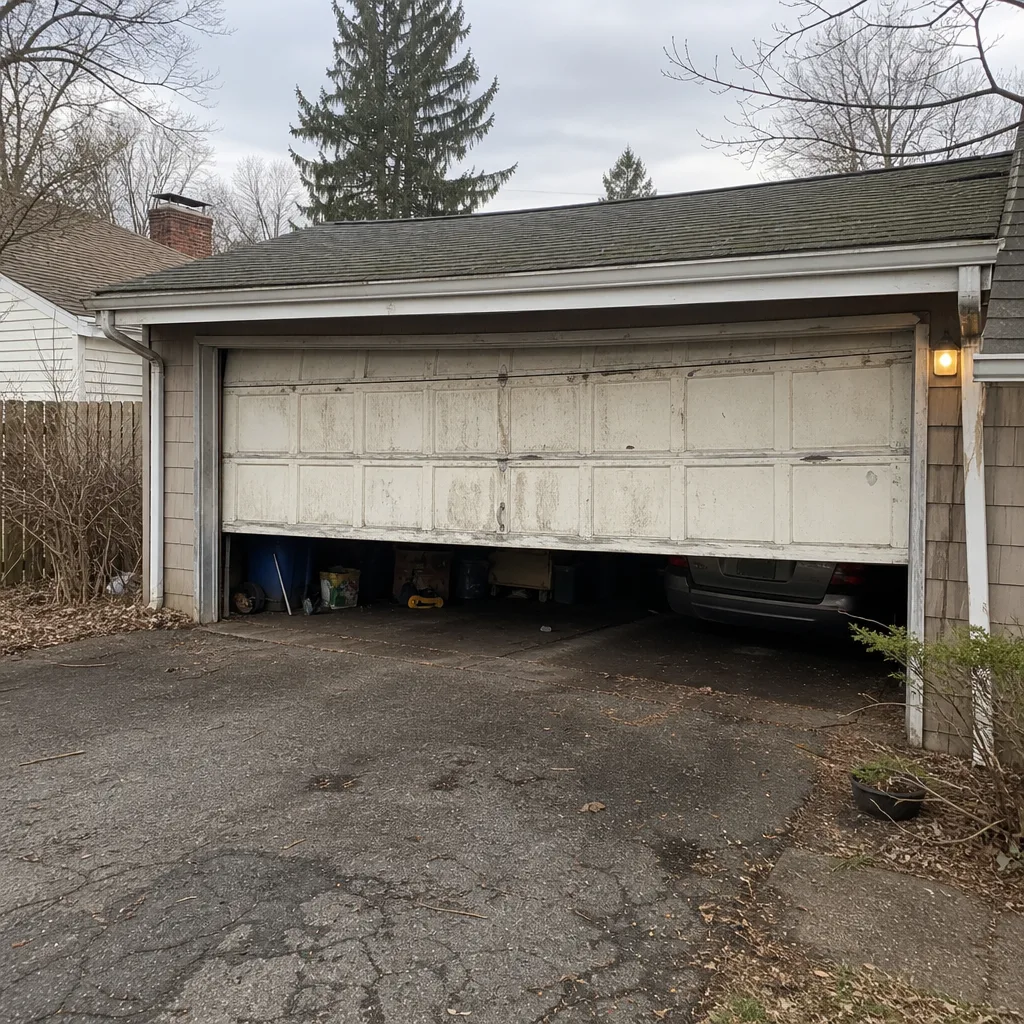 Before
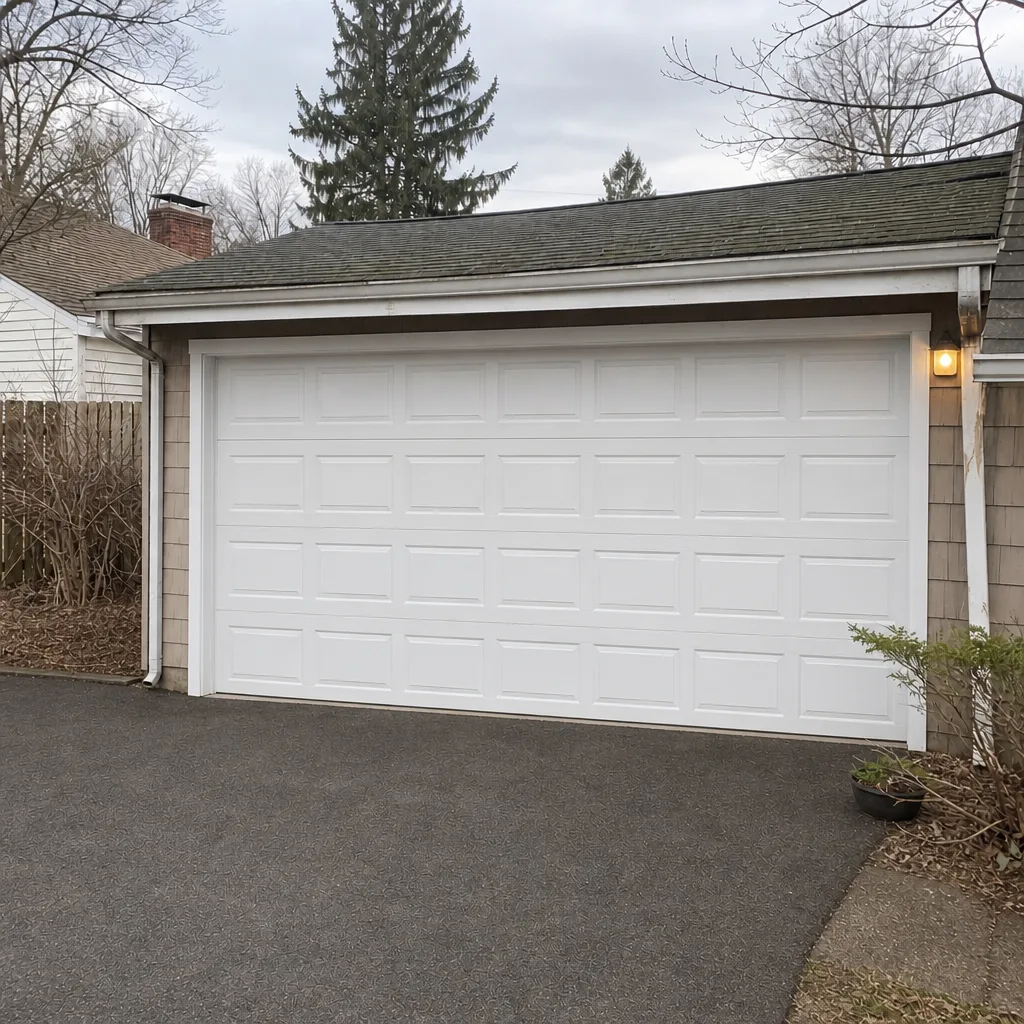 After
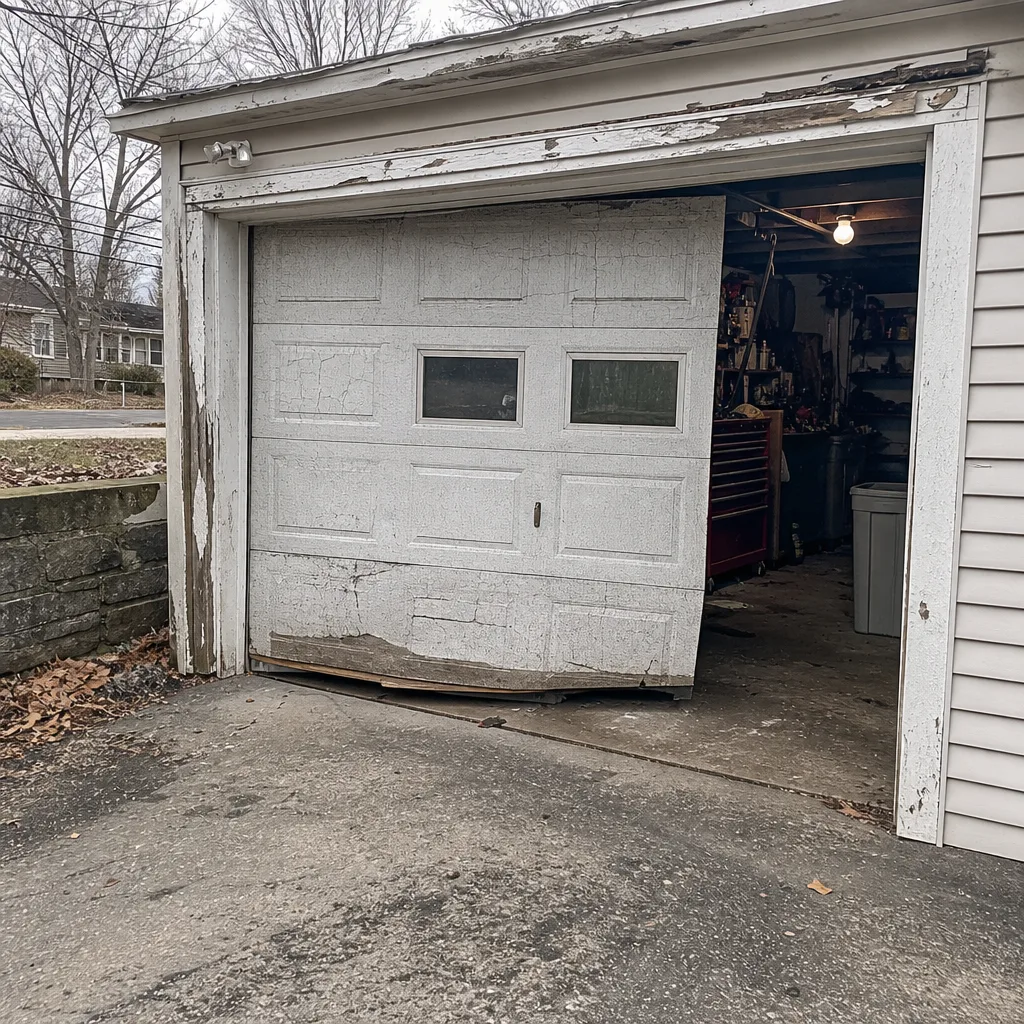 Before
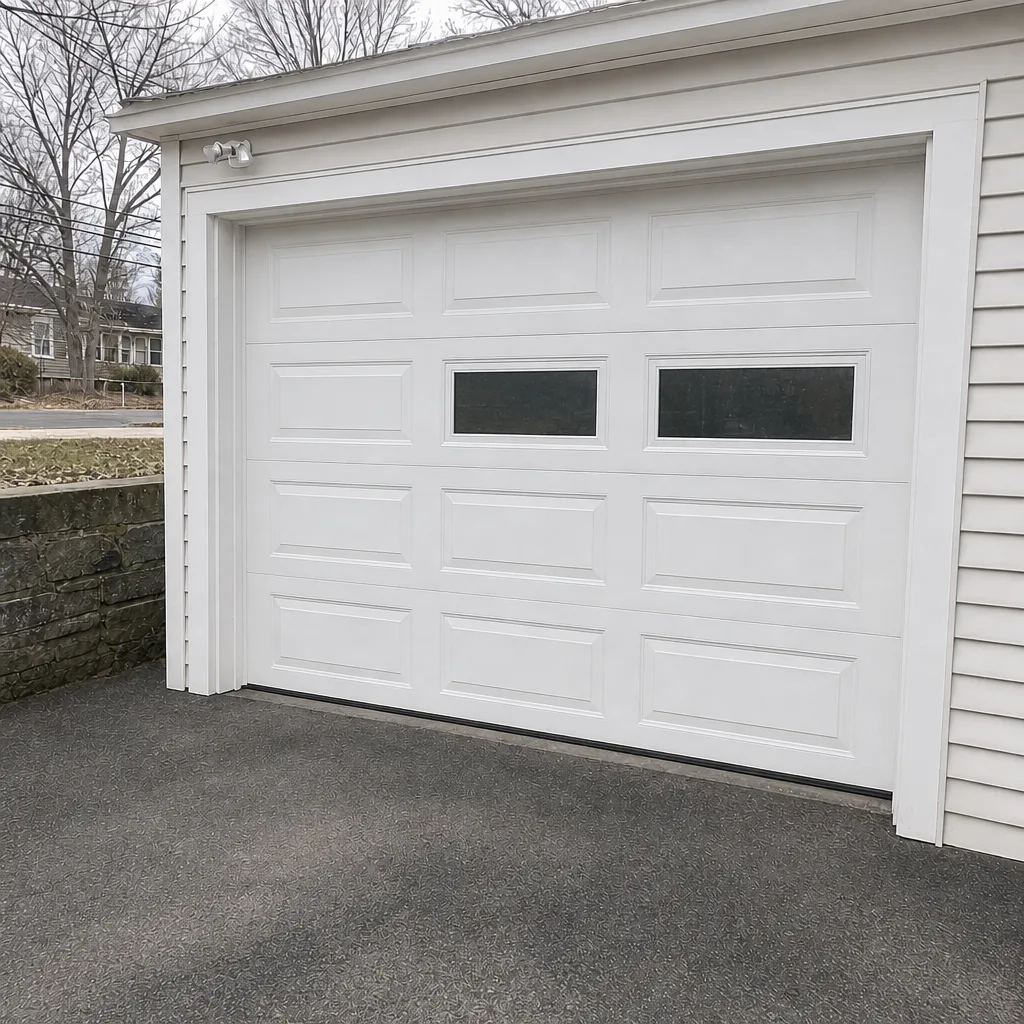 After
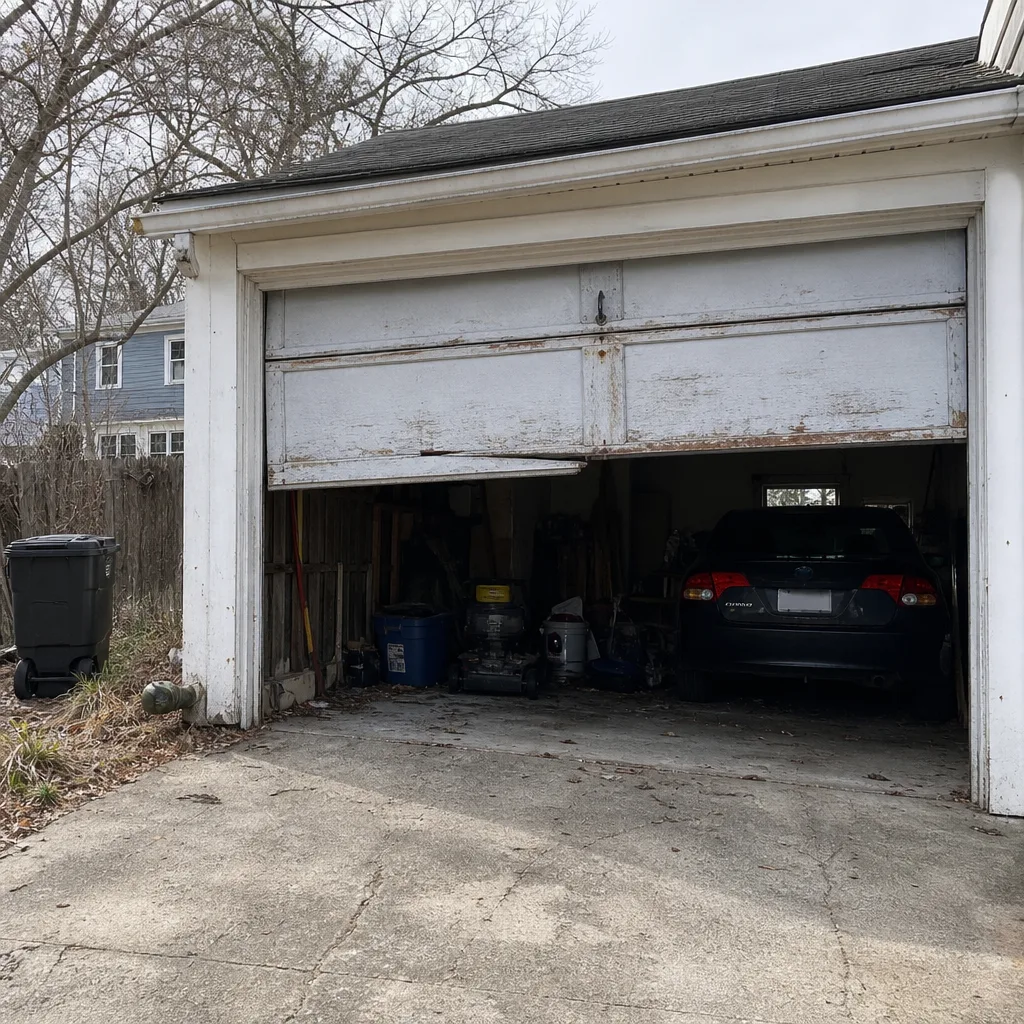 Before
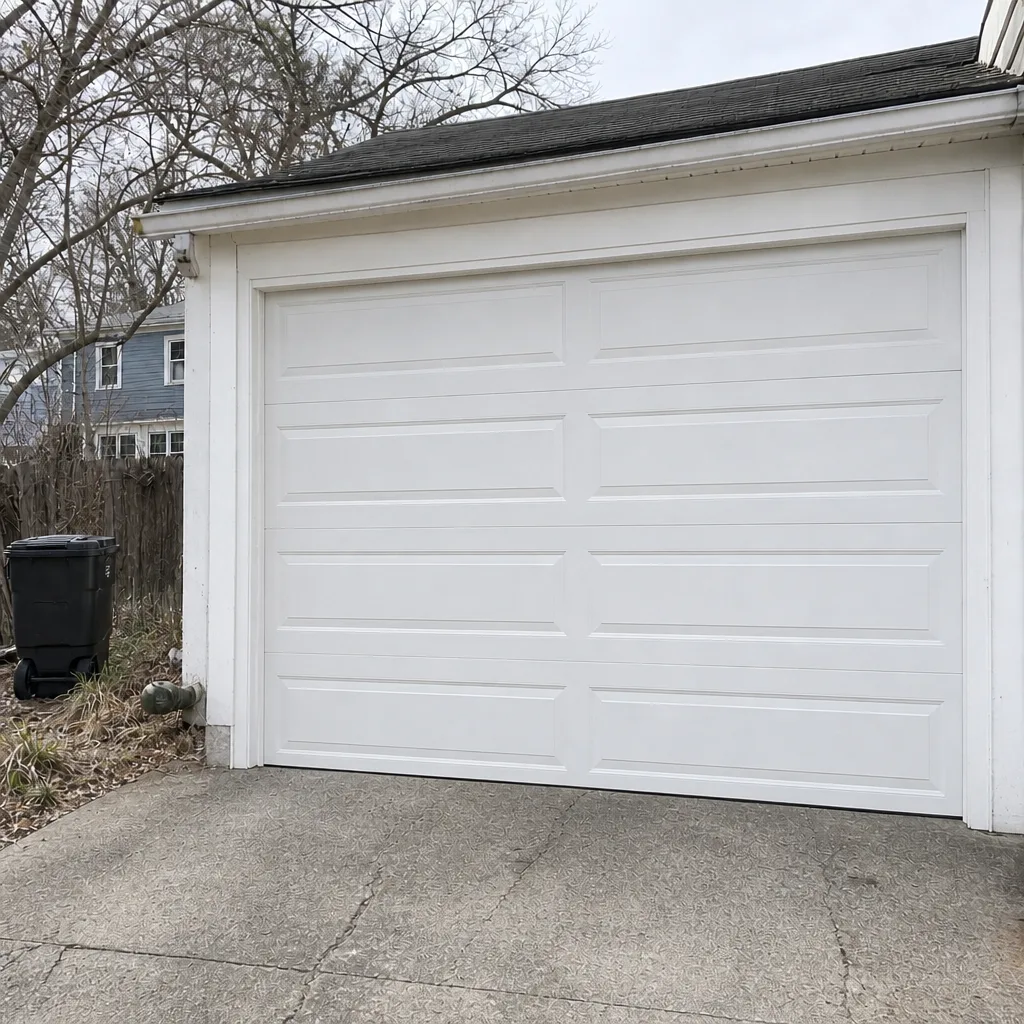 After
When to Call a Professional
Call a professional for anything involving a broken spring, a snapped or loose cable, a door off its tracks, or a door that’s become dangerous to operate. Those are the jobs where a mistake can hurt someone. Call us sooner rather than later if your door is stuck open, since an open garage door is an open door to your home and to your vehicles. Beverly Garage Door Repair Co offers free estimates in Beverly, and the local pro is licensed and insured as their state requires. Call (833) 421-1727. We answer 24/7. Fast dispatch from 7am to 7pm, Sunday through Friday. If the door is still working but noisy, slow, or out of balance, that’s a call for this week, not a crisis.
Frequently Asked Questions
Yes, if the door itself is in good condition: pull the red release cord from the opener carriage, then lift the door by hand. Do not use the manual release if a spring is broken, because the door will be far too heavy and may fall. Call (833) 421-1727 for an on-site assessment.
Stop using the door entirely and call a technician. A broken spring leaves the door with no counterbalance, and operating it can damage the opener or cause the door to fall. Don’t try to replace or unwind the spring yourself. Call (833) 421-1727 for a free estimate in Beverly.
Typical repairs run from about $120 to $340 for a single spring, track, or seal job, up to $800 for a full opener replacement. The written estimate sets the final price, and we quote and agree on it before any work starts. Call (833) 421-1727 for an exact estimate.
No. The price is set per job by the written estimate, whatever the day. We answer 24/7 on the phone, and fast dispatch from 7am to 7pm runs Sunday through Friday. We’re closed on Saturday, and a call outside dispatch hours is booked into the next opening.
Treat it as an emergency if the door is stuck open, off its tracks, hanging uneven, or if any cable is loose or snapped. Those are conditions where the door is unsafe or your home is exposed. A noisy, slow, or slightly out-of-balance door can usually wait a day or two.
Only if the diagnosis changes, and never without a conversation first. The technician quotes in writing before starting work, and if something else turns up once the door is apart, you’ll agree to the change before the work continues. Call (833) 421-1727 for a free estimate.
The Bottom Line
Garage door emergencies get resolved fastest when you’ve done the prep: know where the red release cord is and how to use it safely, keep the door model and spring size written on an index card in the garage, and have a vetted technician saved in your phone. Know the difference between a stop-using-it situation and a schedule-this-week one. Check your seals before the first nor’easter, not after. And ask the brand question before you give your address. Those habits cost almost nothing and save real time when the door finally fails, in Beverly or anywhere else. Call (833) 421-1727 for a free estimate.
Written by the team at Beverly Garage Door Repair Co.